Surprise meEntangled Vale
The opposite of sustainability is boredom
Before we can change the world, we need to pay attention to it.
 Grokkist Press
Reading Room
Surprise meEntangled Vale
Before we can change the world, we need to pay attention to it.

Surprise meEntangled Vale
If we are the the sum of our actions, how much of ourselves are we willing to sell?
Surprise meEntangled Vale
As we continue to carve the world into smaller pieces, it's easy to lose sight of our own power to put it back together.

Surprise meEntangled Vale
In the search for freedom, how can we learn to see beyond the choices that have been pre-approved for us?

Surprise meUnfolding RealmWild Margin
We're often told that all of the knowledge of the world is at our fingertips, yet it can still feel impossible to find what we're looking for.
Surprise meWild Margin
First, we’re taught to comply. Then, to forget that we ever danced to our own rhythm.

Surprise meEntangled Vale
In a life we didn't choose, what would allow us to make our own decisions?

Surprise meEntangled ValeWild Margin
The looming specter of AI apocalypse can feel almost inevitable due to the staggering momentum of technological development, but there are always new horizons available to those willing to change course.
Surprise meEntangled Vale
Is the weight of existential dread a sign we should turn back, or simply the growing pains of a new perspective?

Surprise meEntangled Vale
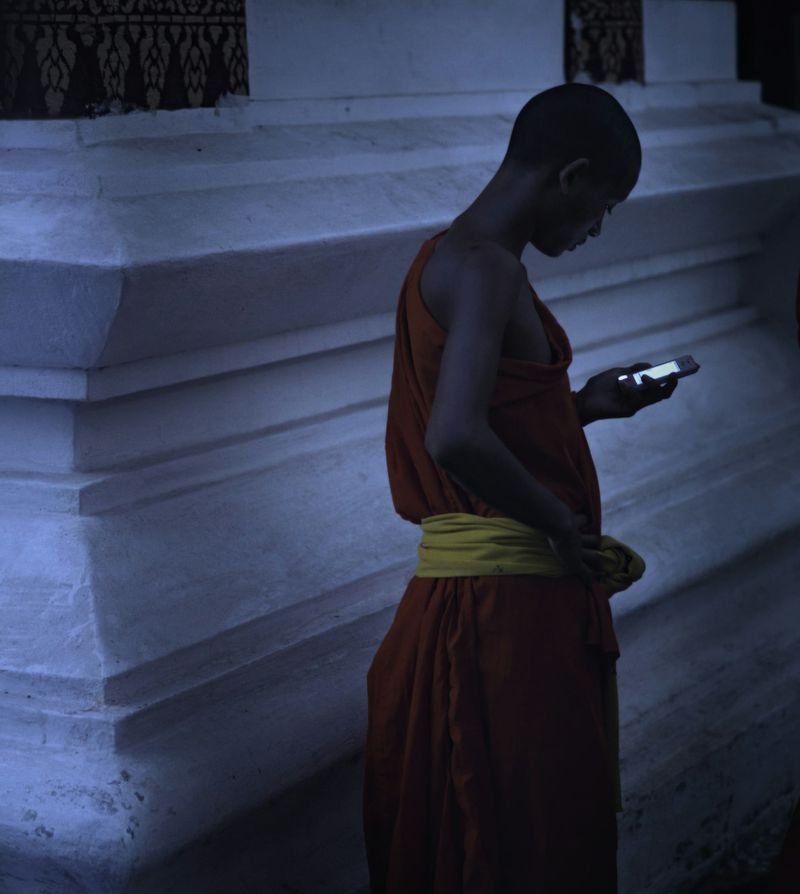
How much might we still have to learn from the simple act of reaching out?
Surprise meEntangled Vale
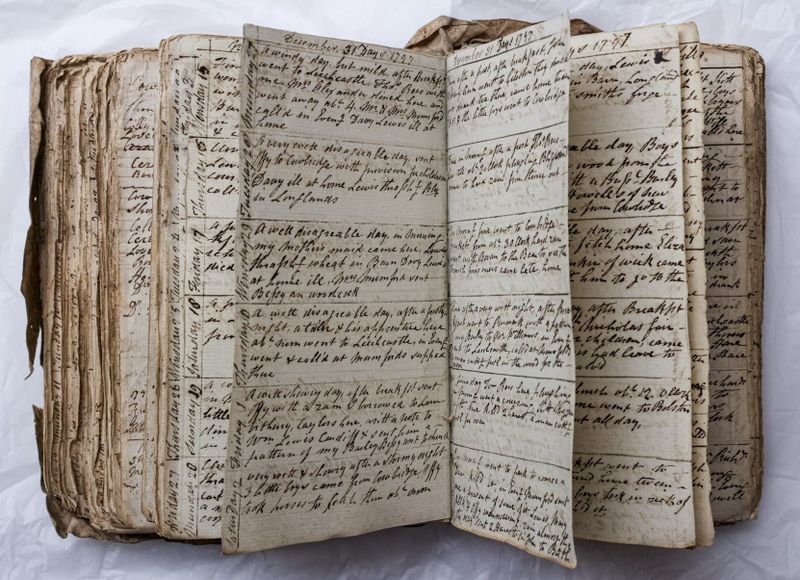
It makes sense to look to the past for wisdom, but what we find can sometimes be distressing.
Surprise meEntangled Vale
Who can say what the future holds, but surely it won't involve long division.
Nicholas Carr traces a recurring fantasy of modern life: that each new communication technology, from the telegraph to the internet, would produce wiser citizens and healthier democracies — and how each expansion of information instead bred new forms of confusion and overload. At its centr
Read the note ↗Louis Theroux has spent decades sitting with people most of us would keep at a distance and gently asking them to explain themselves. What he keeps finding isn't unbridgeable otherness but something more unsettling: familiar motives, loosely held, rarely examined. Echoing Arendt's 'banalit
Read the note ↗A former New York City pickpocket, Wilfred Rose, returns to the subway where he worked, narrating how he did it and what it cost him — how to read a crowd, choreograph attention, pass without notice. Alongside the craft is the other side: arrests, family, loss, and a habit he describes as
Read the note ↗'Iran has been trapped in a cycle of self-love and self-hate for centuries, and nothing captures that contradiction like The Blind Owl.' Banned both before and after 1979, the novel follows a troubled painter through a surreal, fragmented narrative. Amir Ahmadi Arian traces its strange aft
Read the note ↗Paleoanthropologist Ludovic Slimak pushes past the 'Neanderthals were basically us' rehabilitation to something more unsettling: what if they were genuinely different — different minds, different relationships to territory and meaning? He suggests their disappearance followed a collapse of
Read the note ↗A podcast in which a journalist investigates entrepreneurship in the AI age by trying to run a real company staffed by fake (AI) people. Somewhere between investigative journalism and deadpan performance art — no breathless futurism, no moral panic. It quietly shows how much of 'running a
Read the note ↗