


Shortly after, Alan began his Euro Book Trek to promote Salt & Seeds while exploring the myriad adaptations already taking root across Europe. This article is adapted from posts on his Substack, chronicling the adventure.
Leg 13: Scotland & the North of Ireland
After the bustle of London and the familiar roads of England, my Euro Book Trek turned north again, back towards wilder country. I stopped briefly in Hull to collect Sara, Harrison, and a fresh supply of Salt & Seeds novels, before steering the car northwest through the rolling farmland of Cumbria and across the border into Scotland. Ahead, there was family, bookshops, deep forests, and a coastline that looks like the edge of the world.
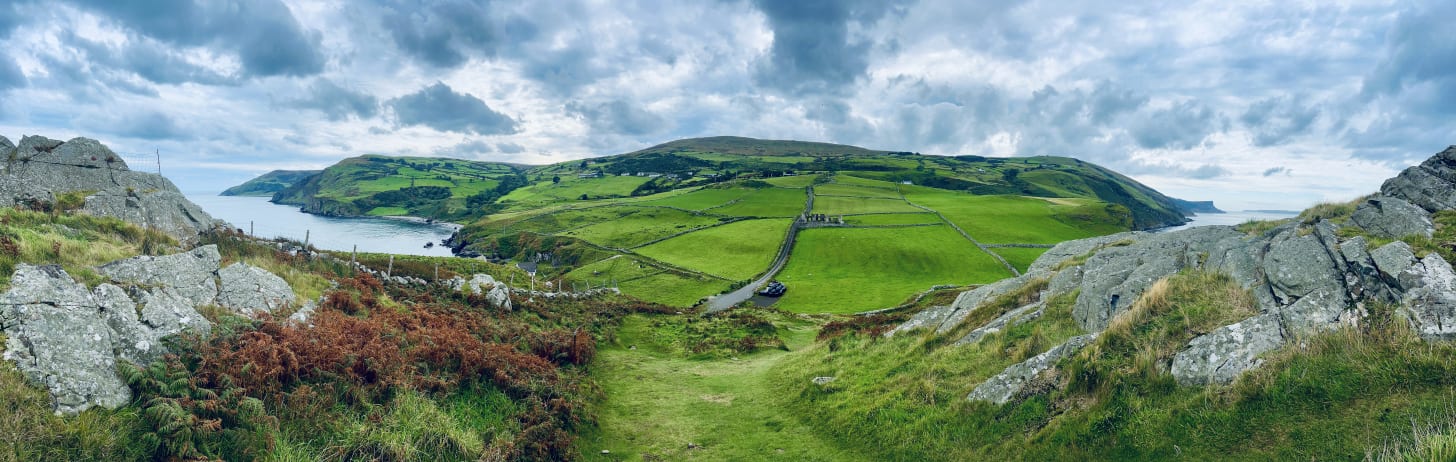
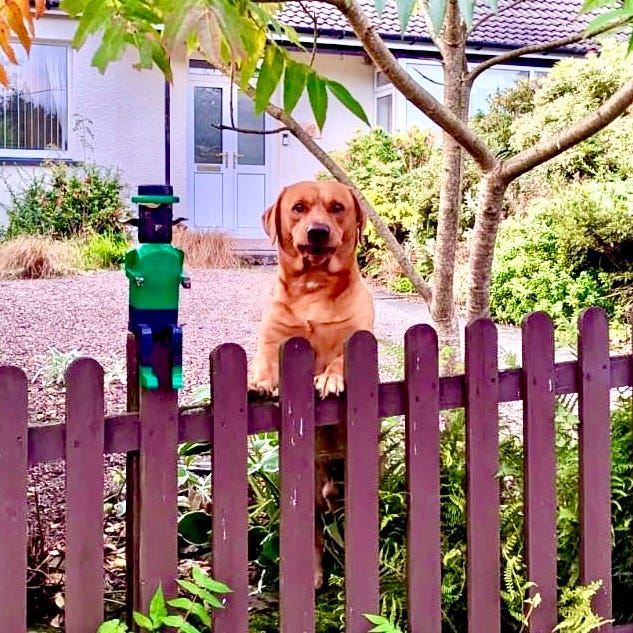
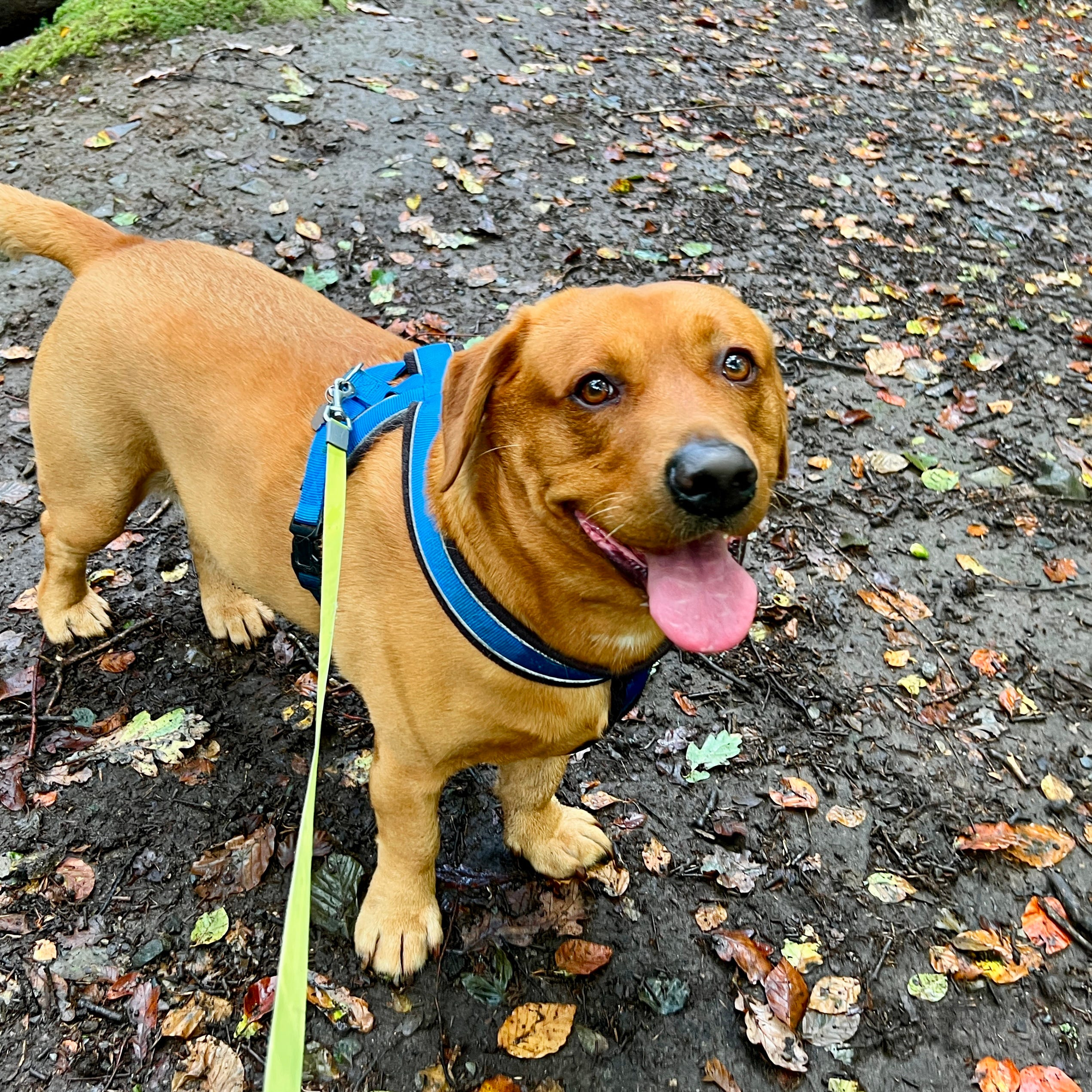
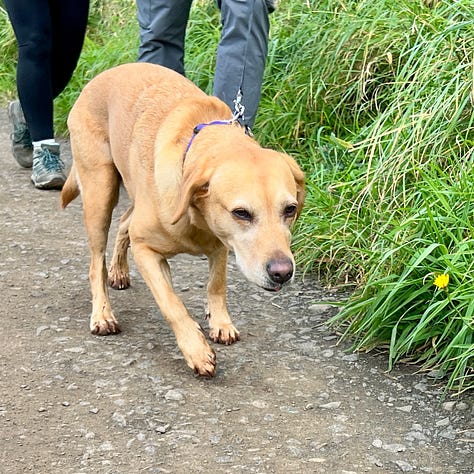
My uncle, Vince Raw, has a cottage tucked away in the Galloway Forest, on the edge of the dark sky zone of Kirroughtree Forest Park. Vince is a successful countryside author and one of those rare souls who seems to live entirely in rhythm with the land. Vince and Aunt Jennie always welcome us with open arms, a lovely meal, and a dram of Scotch or two or four. The card games and stories stretch into the night, with lots to catch up on and an inexhaustible supply of cuddles from their lovely honey coloured, short-legged Labrador Sonny. He’s a real character.
The next morning, I was up for an early forest walk with Sonny and Jennie. Then I earned my keep by helping thin out the bullrushes in the large ponds at the edge of Vince’s woodland. It’s an annual necessity to clear space for other plants and wildlife to thrive.
When we arrived back, a robin was waiting on the gate for Vince, it likes to perch on his hand to collect its snacks. It’s a small ritual that seems to capture the gentle spirit of this place.

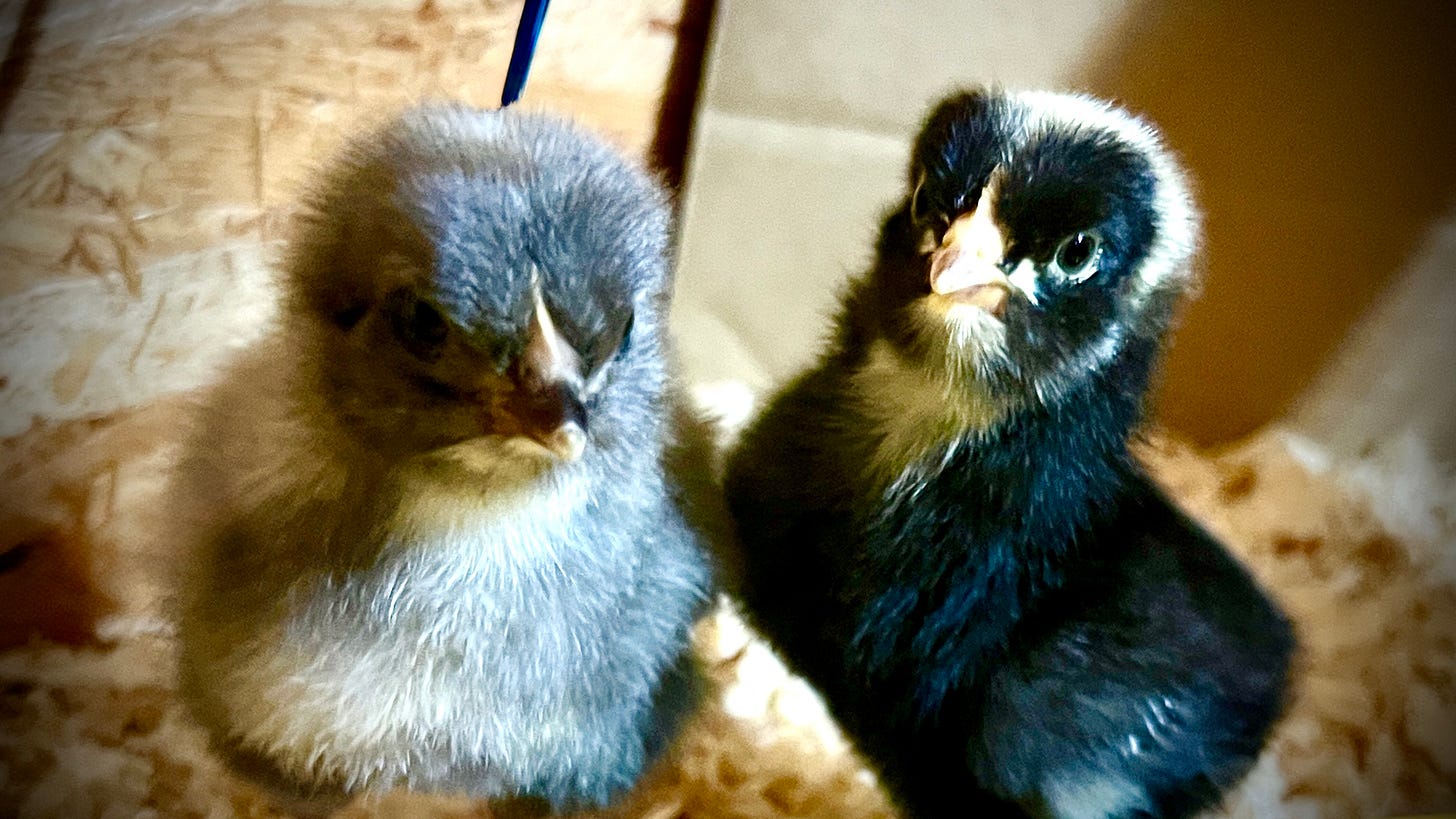
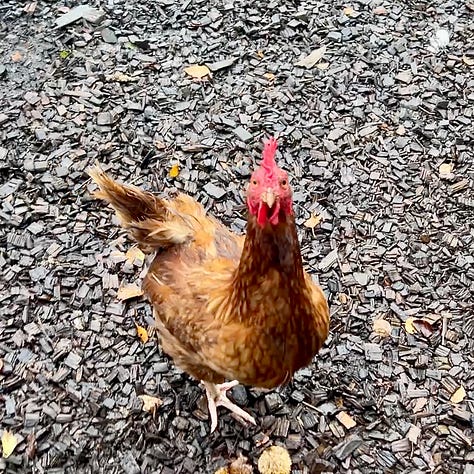
Vince is a skilled woodturner, and I enjoy watching him create bowls, lampstands, and all manner of wooden ornaments, but his workshop had been temporarily commandeered by a clutch of tiny chicks. Vince was giving their mothers a well-earned break, pecking happily in the grass of the huge chicken run, while the chicks kept safe and warm inside his heated woodshed.
I helped Vince feed the chickens, topping up their water and collecting freshly laid eggs in my hat.
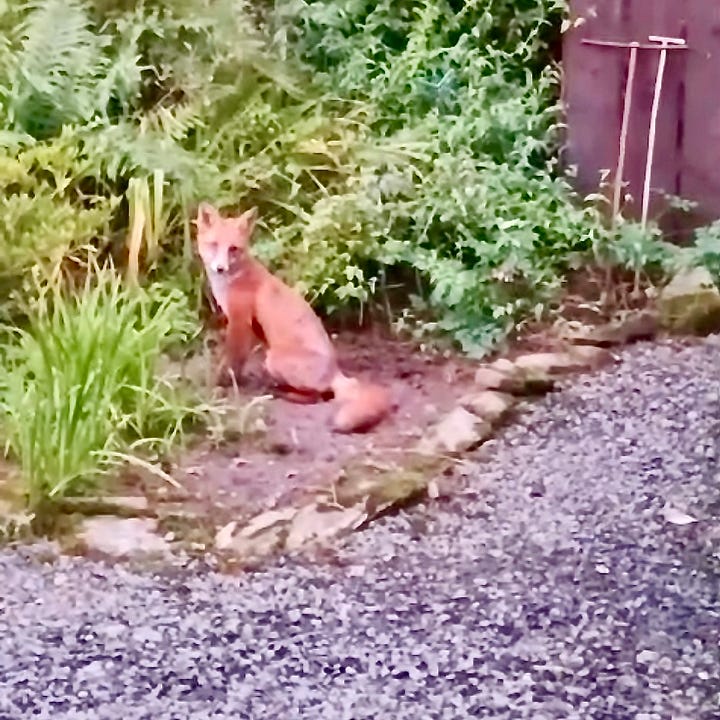
Jennie’s garden has a daily parade of foxes, badgers, birds, and red squirrels coming for dinner, and the forest rangers have built a new hide where the garden meets the woods. It’s for Forest Park visitors to catch a glimpse of a pine marten. At Vince and Jennie’s, nature’s rich variety is all around, and I would stay there permanently if I could.
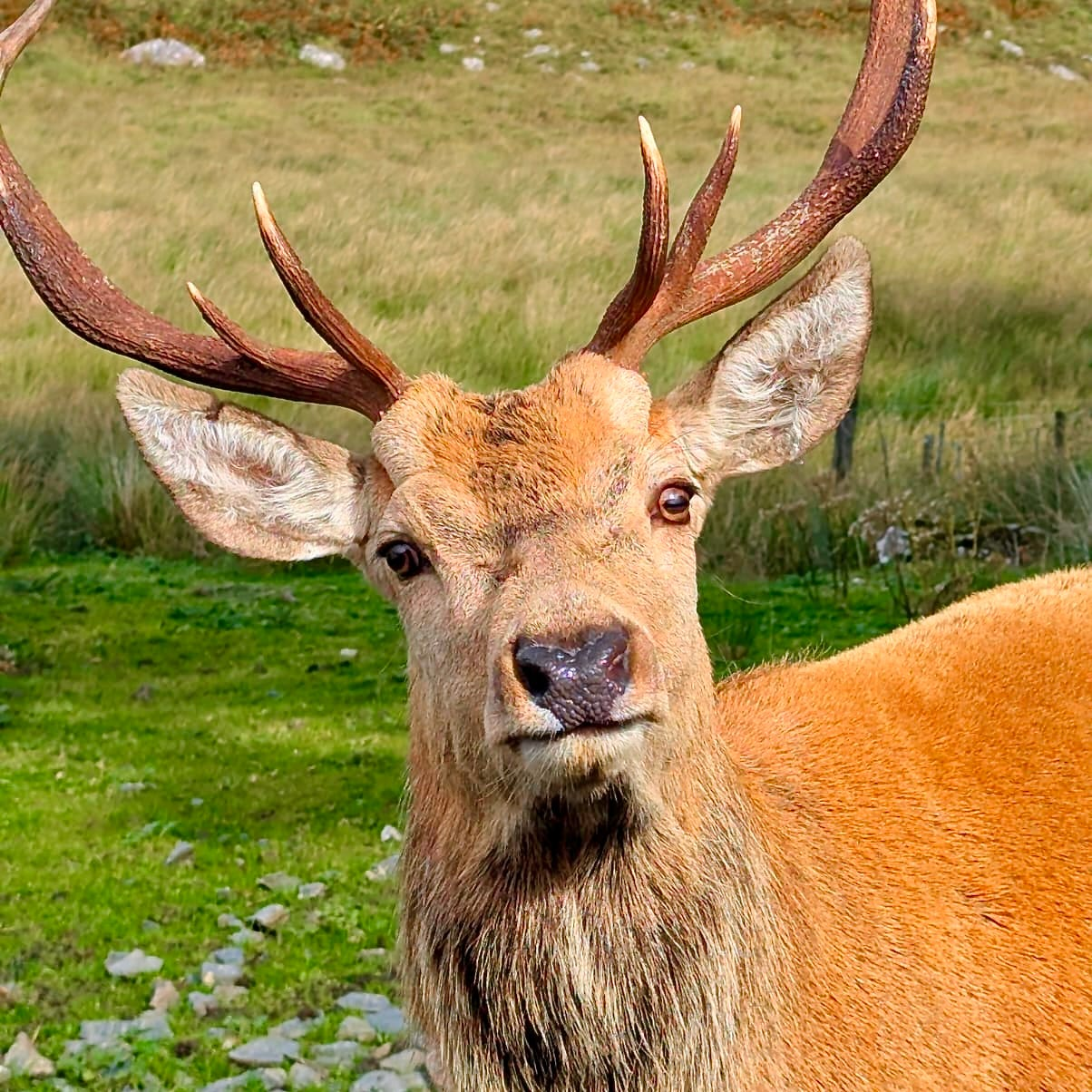
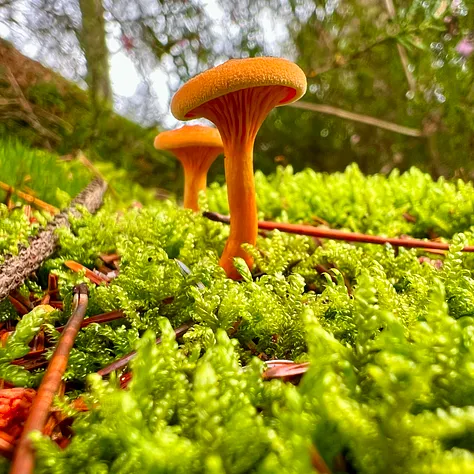
From the cottage, we walked with Sonny up through the forest to Bruntis Loch, where the mirror-still water reflected the pines and sky. Later, we drove to New Galloway, stopping on the way to feed the deer, and followed Ranger’s Road, where the forest floor was alive with a dazzling variety of fungi.

With their cottage as a base, I visited nearby Newton Stewart for supplies, then Wigtown, Scotland’s National Book Town. Wigtown was buzzing in anticipation of its annual literature festival, when thousands of readers descend on its many wonderful bookshops. The timing couldn’t have been better. My first stop was a Sci-Fi and Fantasy specialist bookshop called At the Sign of the Dragon. Resident Bookseller Richard was a welcoming and enthusiastic man with close connections to Wales and the Netherlands. He noticed the Dutch connections in my book and was happy to feature Salt & Seeds in the festival. I also dropped off a pile of bookmarks at the Wigtown Library for festival-goers.
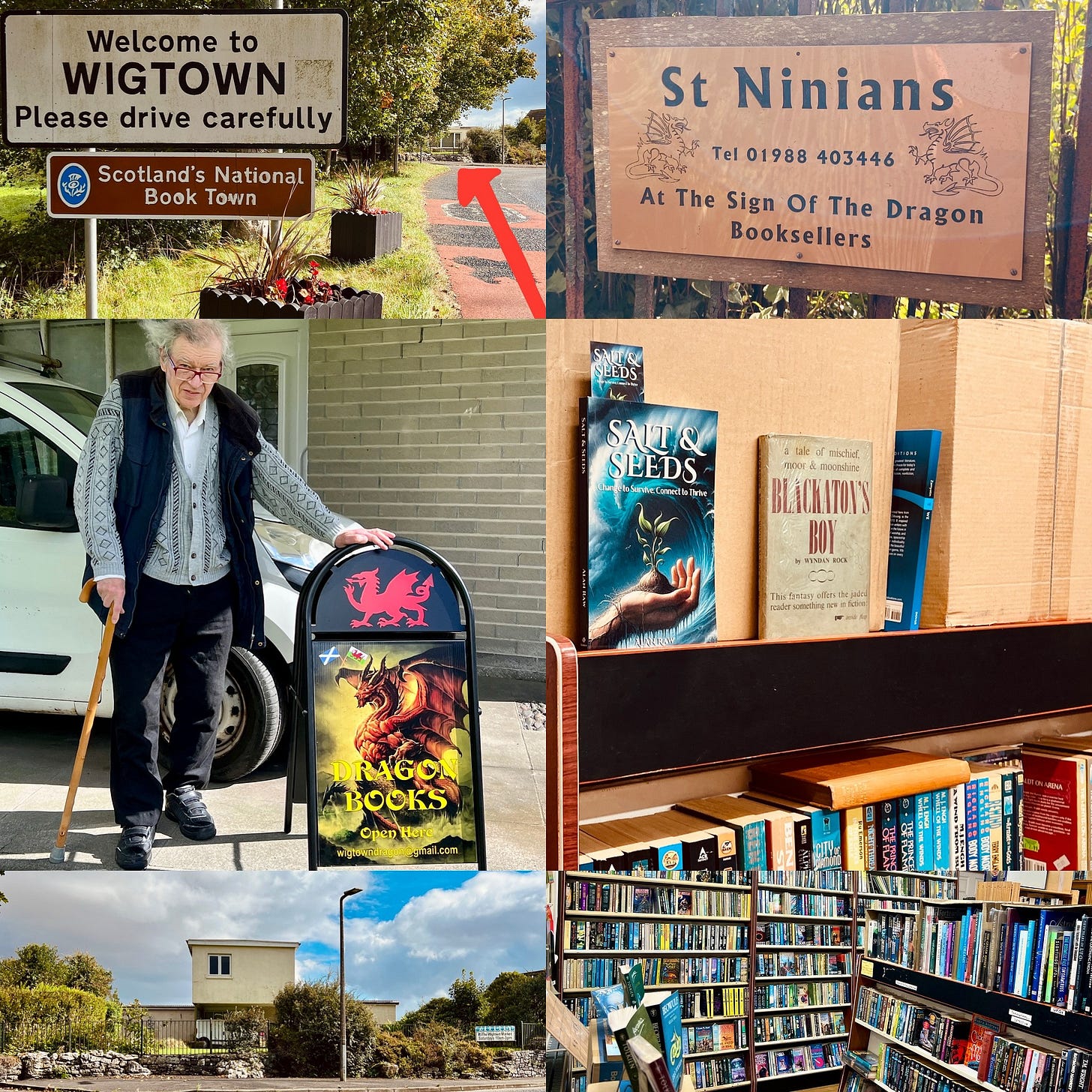
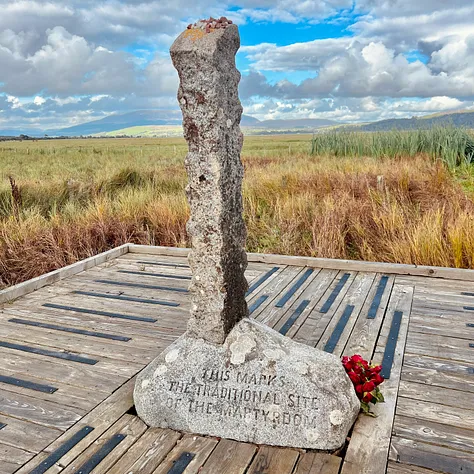
Among Wigtown’s many treasures is The Bookshop, said to be the largest second-hand bookshop in Scotland, with shelves that seem to go on forever and the comforting scent of old paper and leather. The town also remembers the Wigtown Martyrs. Margaret Maclauchlan and Margaret Wilson, were Scottish Covenanters who were executed by Scottish Episcopalians on 11 May, 1685 in Wigtown, for refusing to swear the Supremacy Oath, to declare James VII as head of the church. Their story connects deeply with the themes of cultural beliefs, religion, tradition, brutality, and defiance that I’d encountered earlier in this trek, especially in Quedlinburg and Thale.

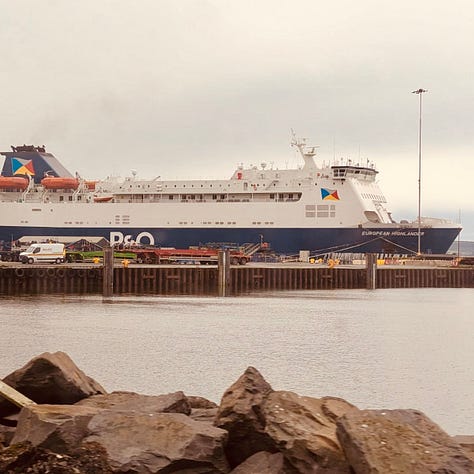
From there, the next leg of the Euro Book Trek took us west across the sea. It was just a short drive to Cairnryan and a surprisingly smooth ferry crossing to Larne. I’d never been to the north of Ireland before; I am an Irish citizen, but my family live in the south and south west.
As the ferry neared the Antrim coast, the landscape took my breath away: cliffs, castles, and a picturesque coast road that felt almost mythic, dotted with the filming locations from Game of Thrones, each one more dramatic than the last. We stopped several times on our way north, first at Cushendun Beach and its caves.
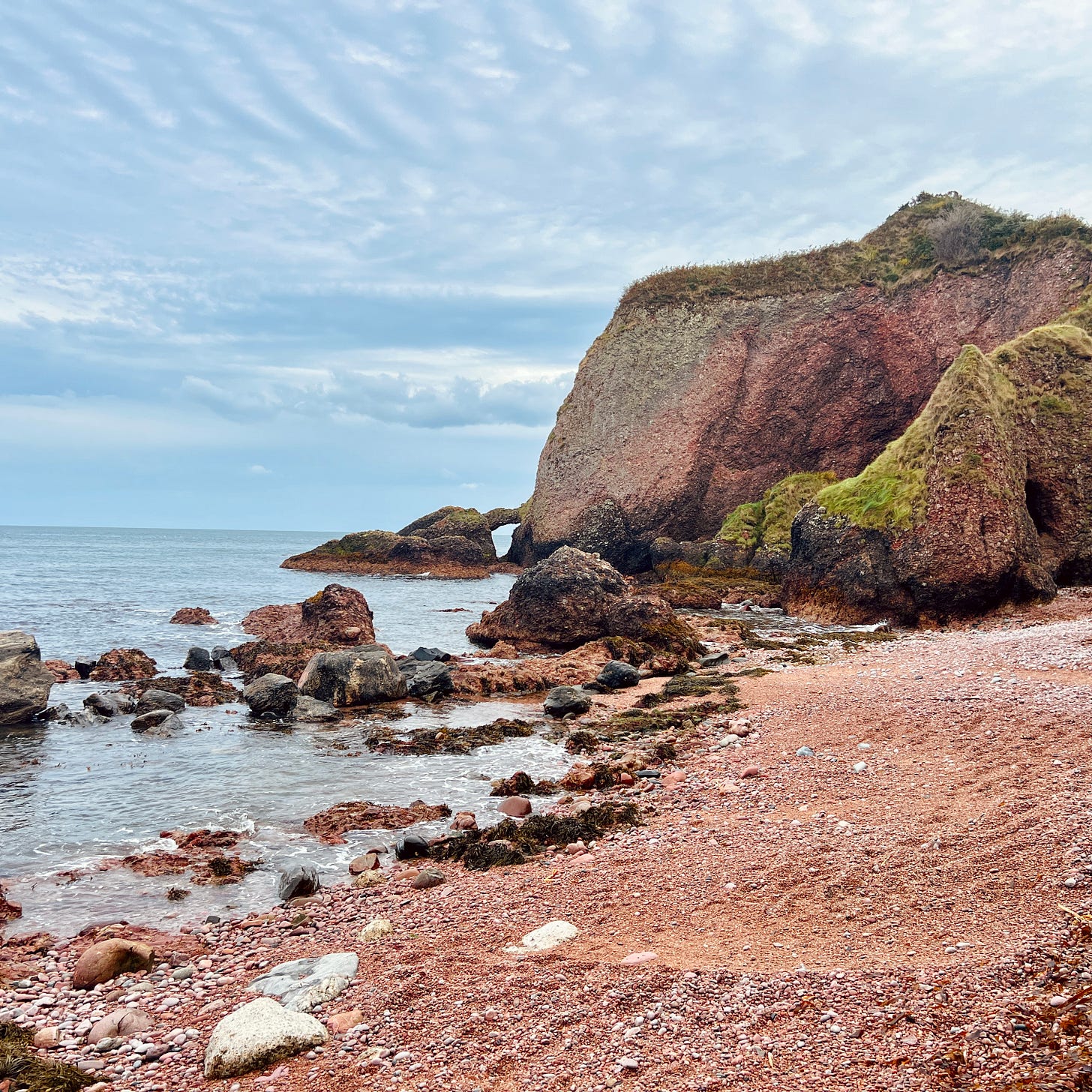
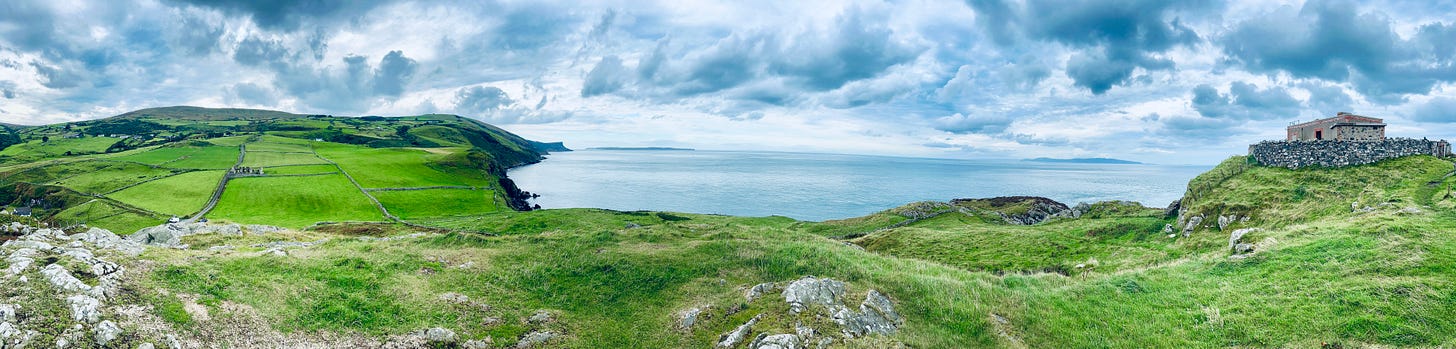
Then Torr Head, a place steeped in myth and history. The old coastguard station there stands on the remains of Dún Bharraigh, once home to the Gaelic warrior Barrach, who, legend tells, conspired with the King of Ulster, Conchur Mac Neasa, in the murder of the warrior brothers Clann Uisnigh. Their tragic story, Deirdre of the Sorrows, is one of the great tales of Irish literature.
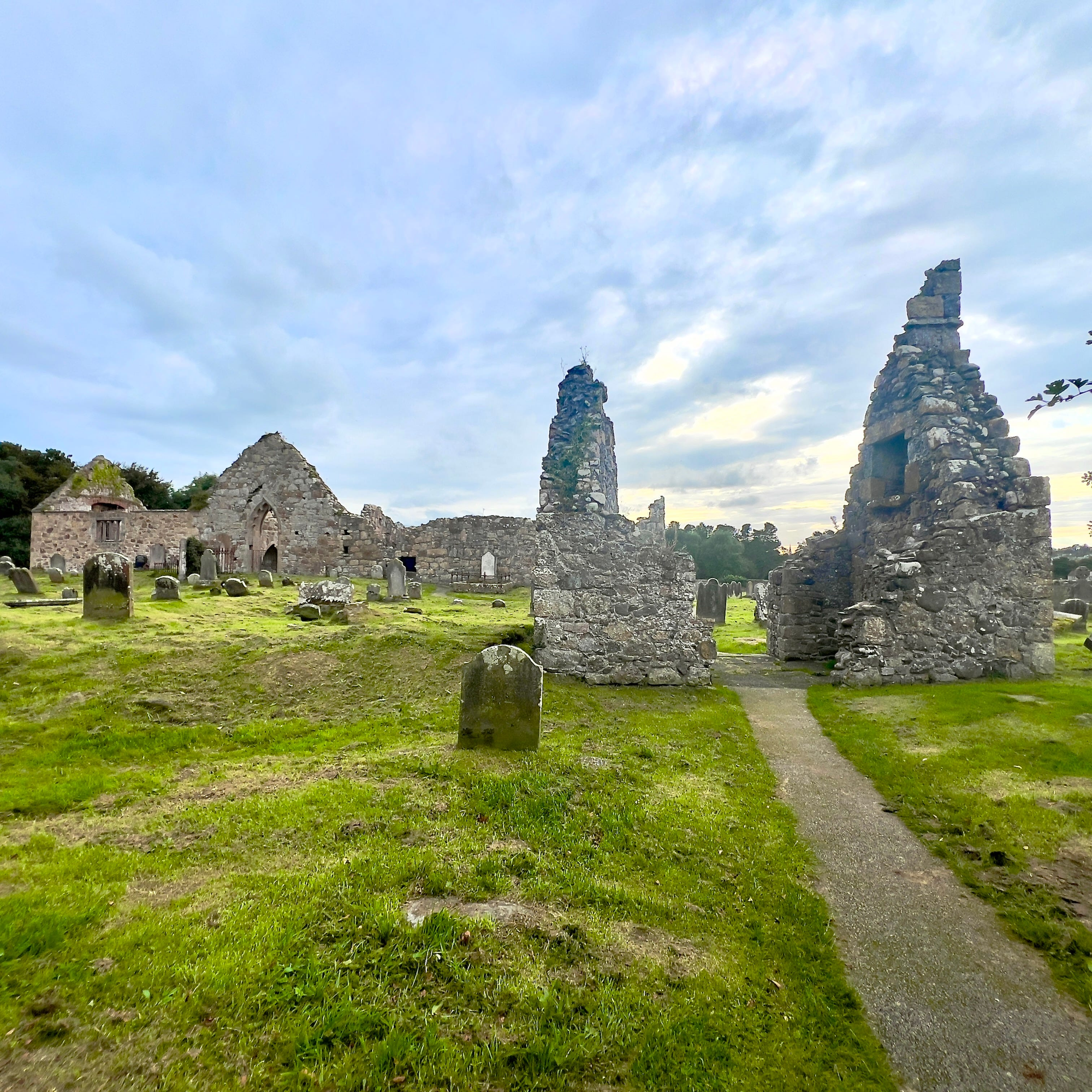
At Bonamargy Friary, we stopped to find the grave of the Nun, Julia McQuillan, a seventeenth-century recluse and prophetess whose spirit is still said to wander the ruins.
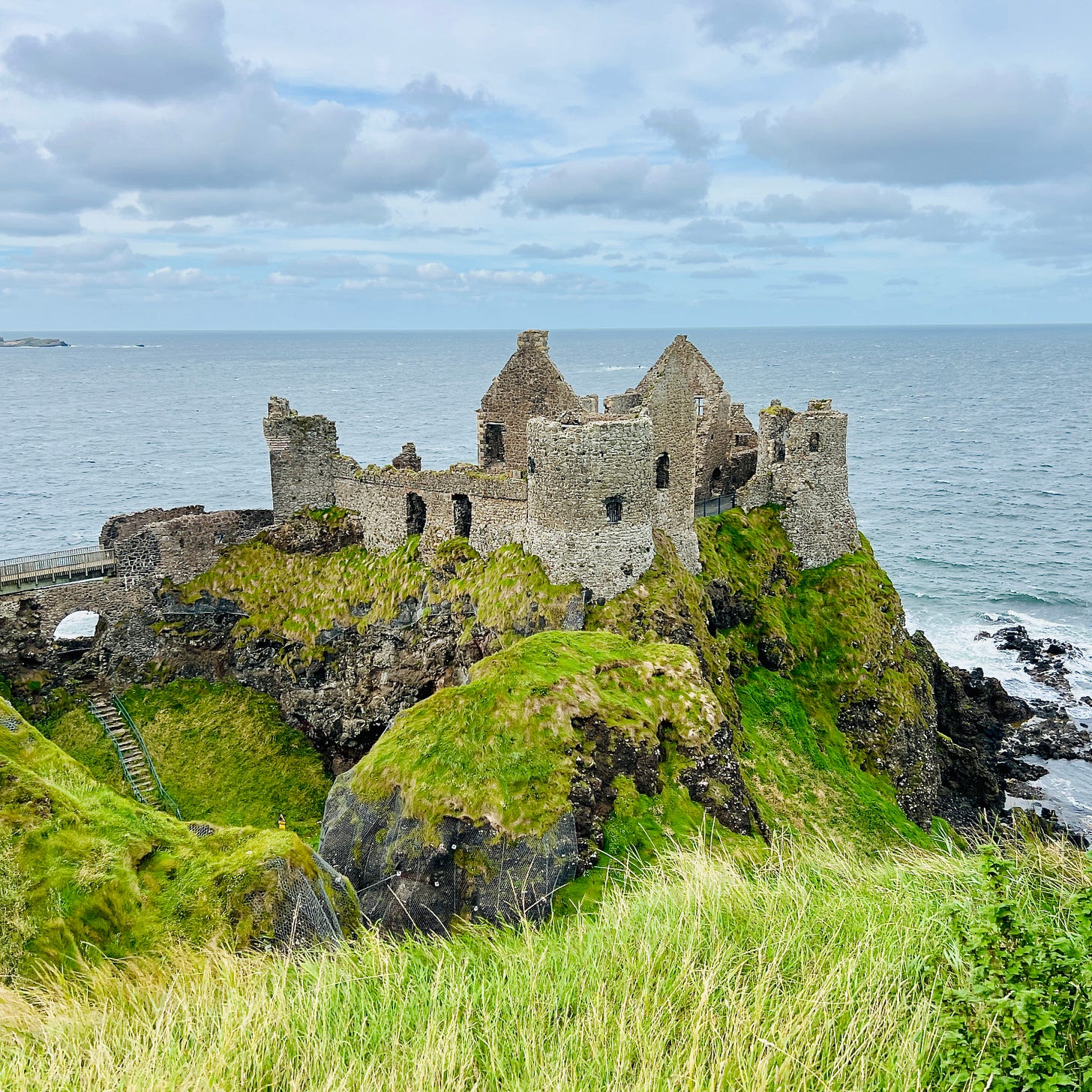
Further along the road, we explored the haunting ruins of Dunluce Castle, clinging to its cliff-top, the sea booming in its vaults below.
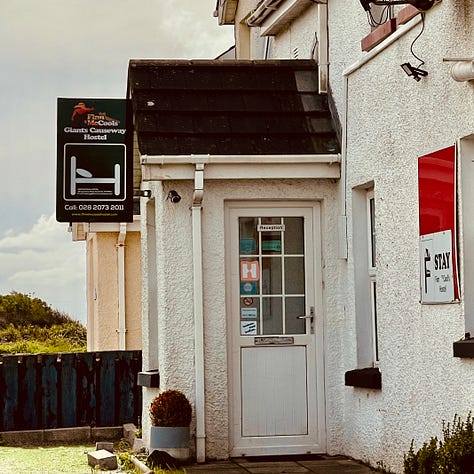
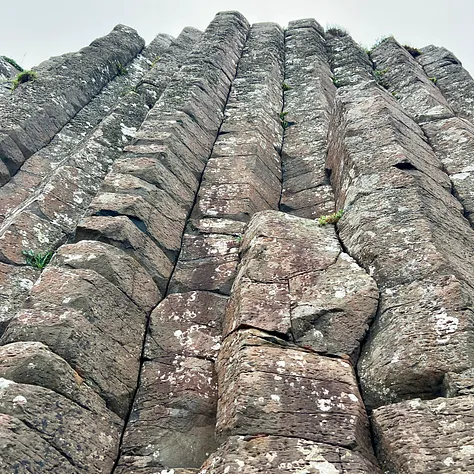
When we reached the top, we stayed at Finn MacCool’s Backpackers Hostel, right beside the legendary Giant’s Causeway. At dawn, I placed a free copy of Salt & Seeds and bookmarks in the Hostel Bookswap, then made the steep walk down to the stones.
Standing among those hexagonal pillars, shaped by fire and sea, I understood why myth and geology can be mistaken for one another. There was a constant stream of coaches filled with mainly American tourists, paying for tours of the site, which is actually free to walk around.
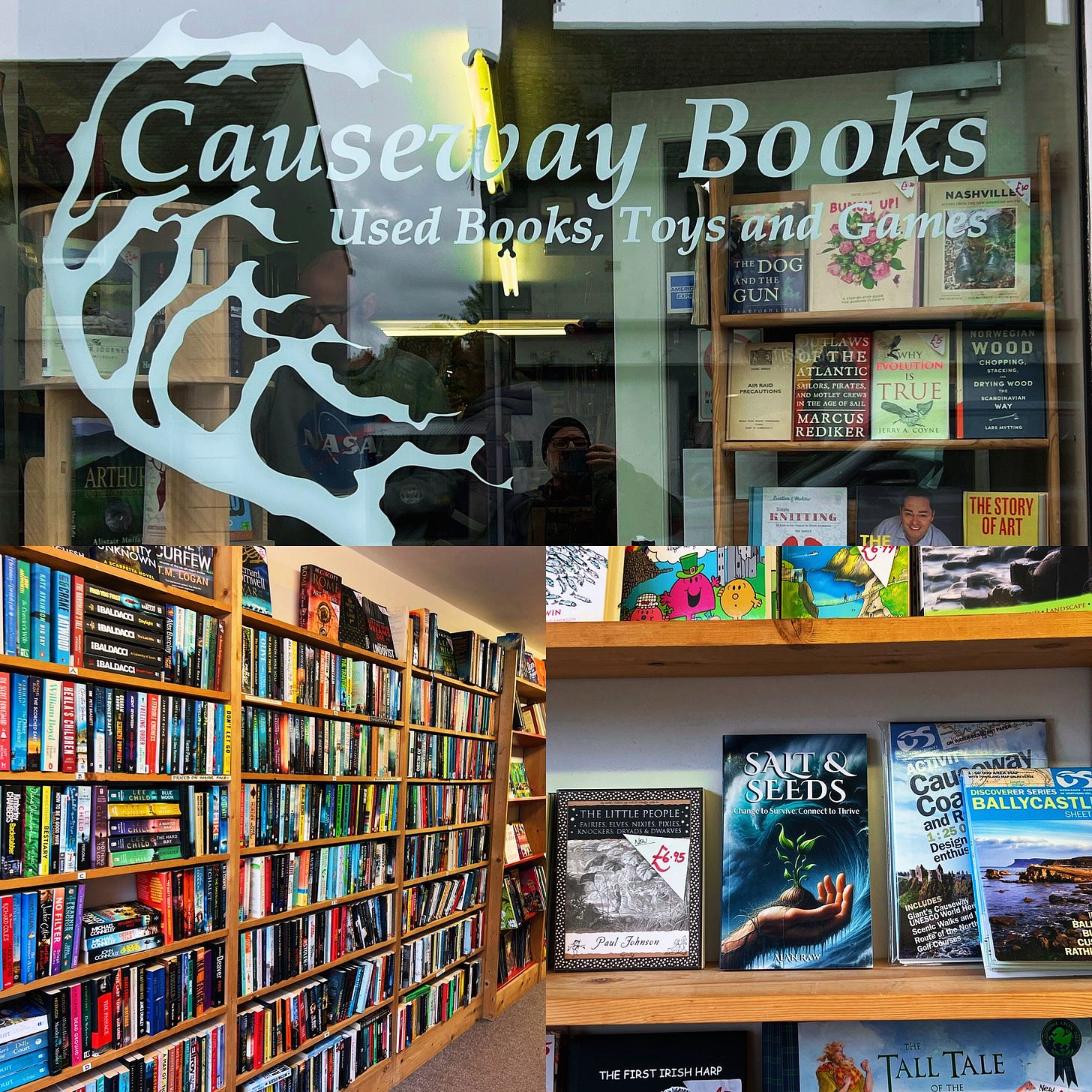
Later, I drove us to nearby Bushmills to find Causeway Books, a small independent bookshop run by the kind and generous James, who placed Salt & Seeds proudly in the centre of the new releases shelf. It is the first one you see when you walk through the door. That kind gesture meant a lot. Thank you, James.
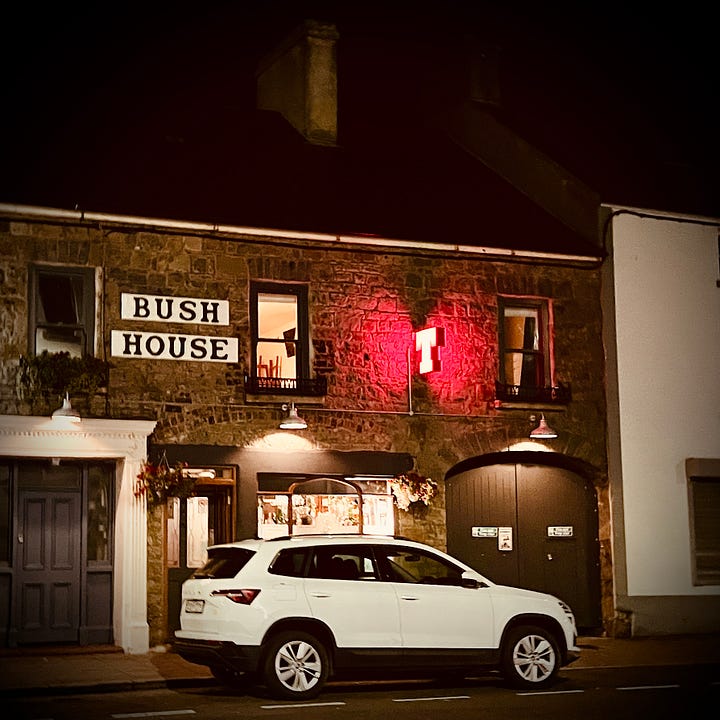
Bushmills itself is full of charm and good food, but Harrison fancied pizza. So we went into the takeaway, but they had just had a large phone order and said it would be a twenty-minute wait. However, it was the only pizza place around and Harry was keen, so we paid and wandered across the road to the Bush House Bar for a swift half of Guinness while we waited. I drink very little alcohol, but I do enjoy an occasional small glass of Guinness or a whiskey among my fellow Celts. My great-grandfather worked at the Guinness factory in Dublin and at the Powers Whiskey distillery, so it would be rude not to taste the fruits of his labour. The pub was full and bursting with music and laughter. Within moments, a cheerful local gent named Willy insisted on buying us another round and wouldn’t take no for an answer. When he heard we were waiting for pizzas, he spoke to the bar staff who immediately had a table laid in the back room with cutlery and condiments, declaring that we must bring the pizzas in, as no one eats standing when they can eat sitting. We talked for over an hour, laughed a lot, and parted as good friends. Before we left, I slipped to the bar to buy Willy a double Bushmills whiskey, a small thank-you gift for a big-hearted man. A true practitioner of Irish hospitality.
Later, while heading south toward Belfast, we hit our only real snag of the leg, a last-minute accommodation cancellation; they called to say they had double-booked and the other customer had already arrived. Every nearby place was full. After a weary hour of searching, Sara found a loft apartment much further south, on the border in Crossmaglen, called Urkers Guest Accommodation. I decided to skip Belfast and press on to there.
Crossmaglen sits in South Armagh, a place once marked deeply by the Troubles. During those decades, the village became a symbol of resistance and tension, with a British Army lookout post dominating the skyline. Today, that tower is gone, and peace is finally real. The people of Crossmaglen speak about never wanting to return to those years of division, though political debate continues in a healthier environment. The square at the centre of the village, Cardinal Ó Fiach Square, honours the local man whose legacy is one of faith and reconciliation.
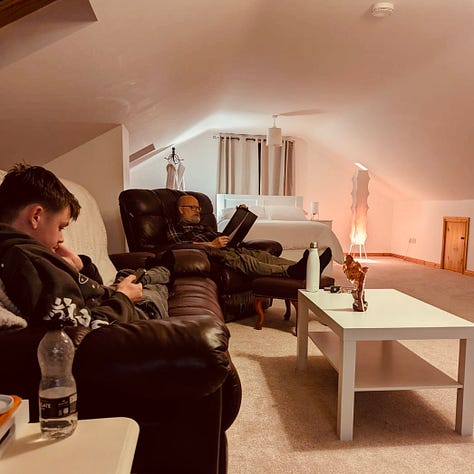
We arrived at Urkers late, parked right outside, and let ourselves in via the key safe. The apartment was beautiful, warm, peaceful, and lovingly kept. I was so glad to put my feet up and read until I fell asleep. The next morning, we met the owner, who invited us to wander her small farm and meet the animals before we set off once more.
The road ahead led across the border for the final leg of the journey. We were heading to more bookshops, music, and magical history in Slane, Tara, Dublin, The Burren Art Gallery, Ennis, and my sister’s cottage in Spancil Hill. It felt right to end my 12-country Book Trek in the land my family have long celebrated through my mother’s stories and songwriting, and our family ceilidh band.
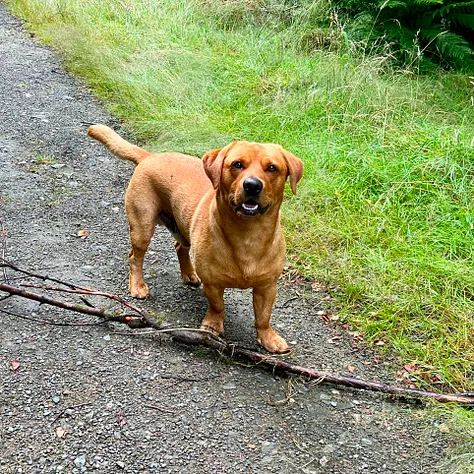
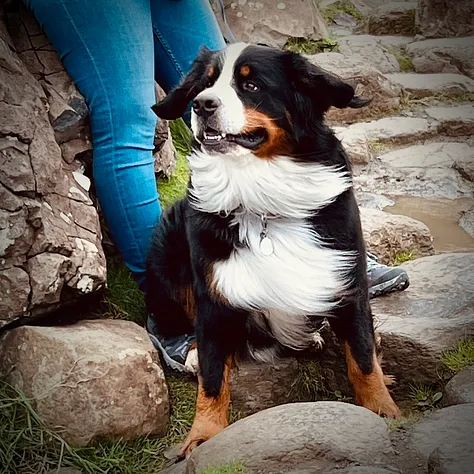
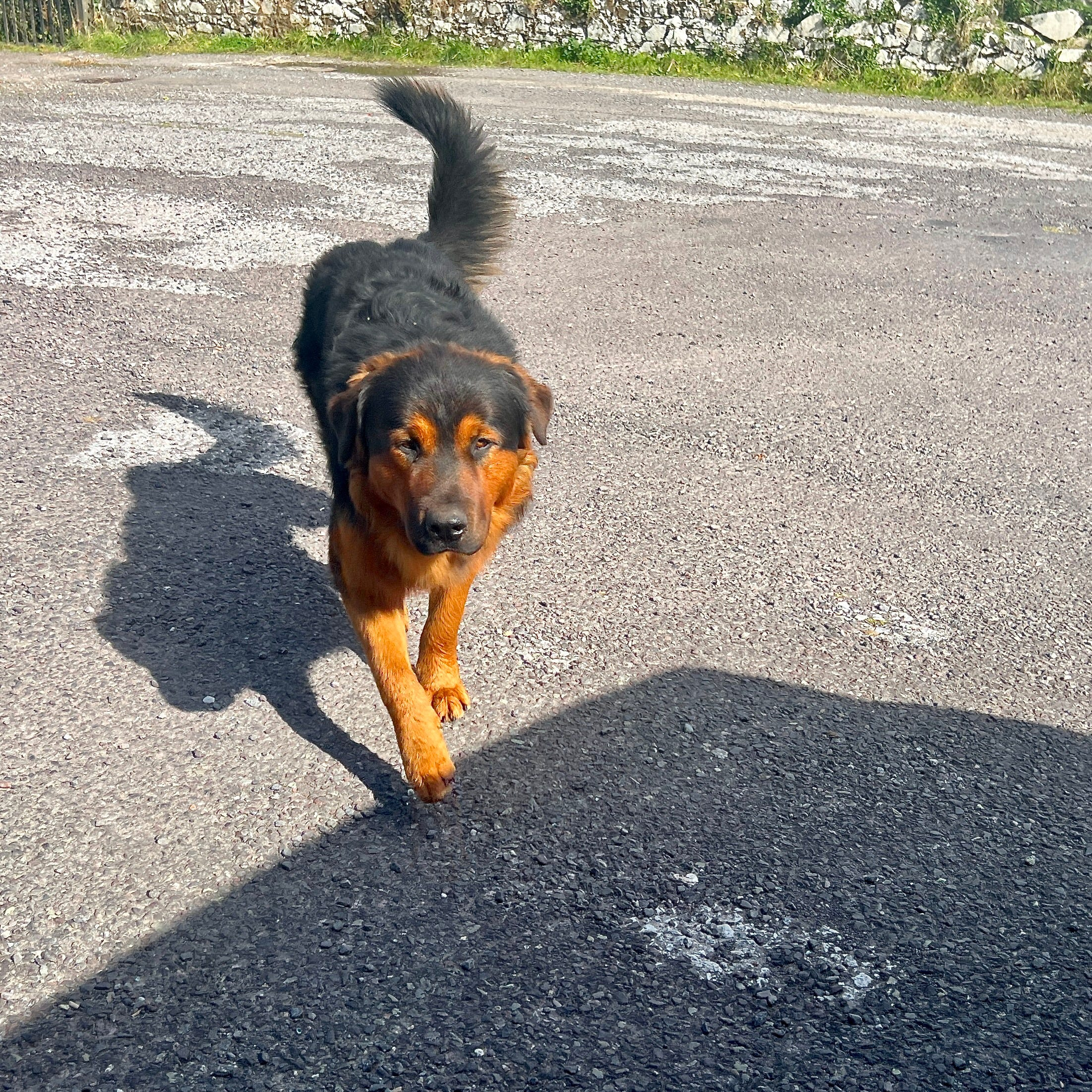
Of course, I met a lot of lovely dogs along this leg, and I’m always happy to share their portraits with you:
Leg 14: Ireland
Crossing the border from the north felt like arriving home, although I was still a long way from where I started. After thousands of miles and countless bookshops, I was finally returning to the place at the heart of so many of my family’s stories. My late mother, Chrissie Raw née Cullen, brought us up as Irish no matter where we were on our travels. She wove Ireland into my childhood with her songs and tales, and we performed together as the Chrissie Cullen Ceilidh Band every weekend. My mother was also a writer, and coming back this time, with my own book in hand, felt like carrying her tradition forward.
Slane and Tara: the beginning of the end
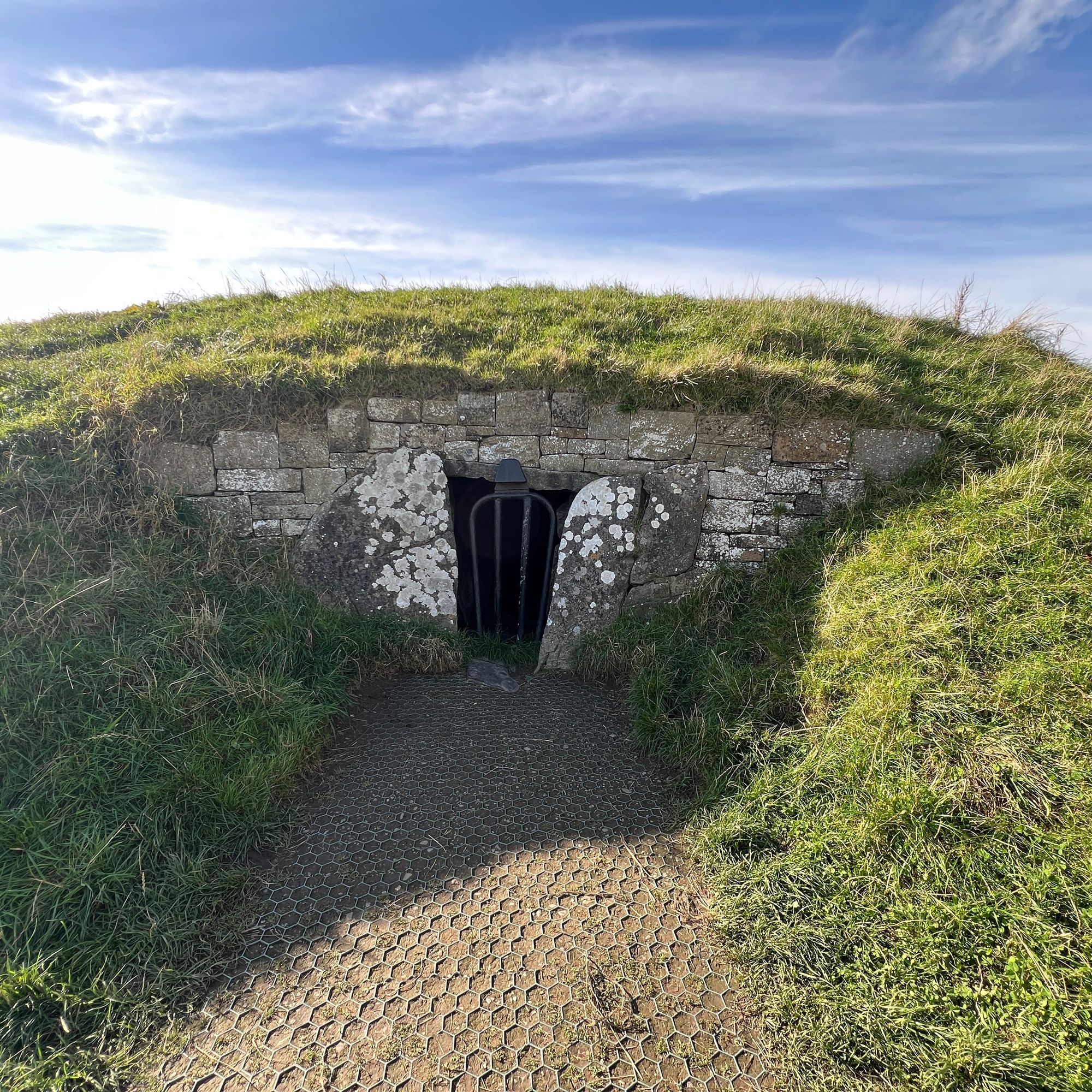
Before Dublin or Ennis, before bookshops or music, we travelled first to Slane and the Hill of Tara. Tara has always held a special place for me. My mother spoke often of these places, but I’d never had time to visit them. I had always gone straight to visit family in Limerick, Ennis, and Wexford. This time I wanted to make time for more. Tara Hill, with its Stone of Destiny and Mound of the Hostages, has been a feature of so many of the legends and Irish hero stories I grew up on, and it felt right to begin this leg by walking in the places my mother described.
Near the gates to the hill is The Old Bookshop, a stone building full of charm and history. There I met Michael Slavin, the bookseller and author. He offered a copy of his book, The Tara Walk, in exchange for Salt & Seeds, and we stood together, signing our copies before swapping them. My book stayed on his counter for sale; his came with me as I visited the hill.
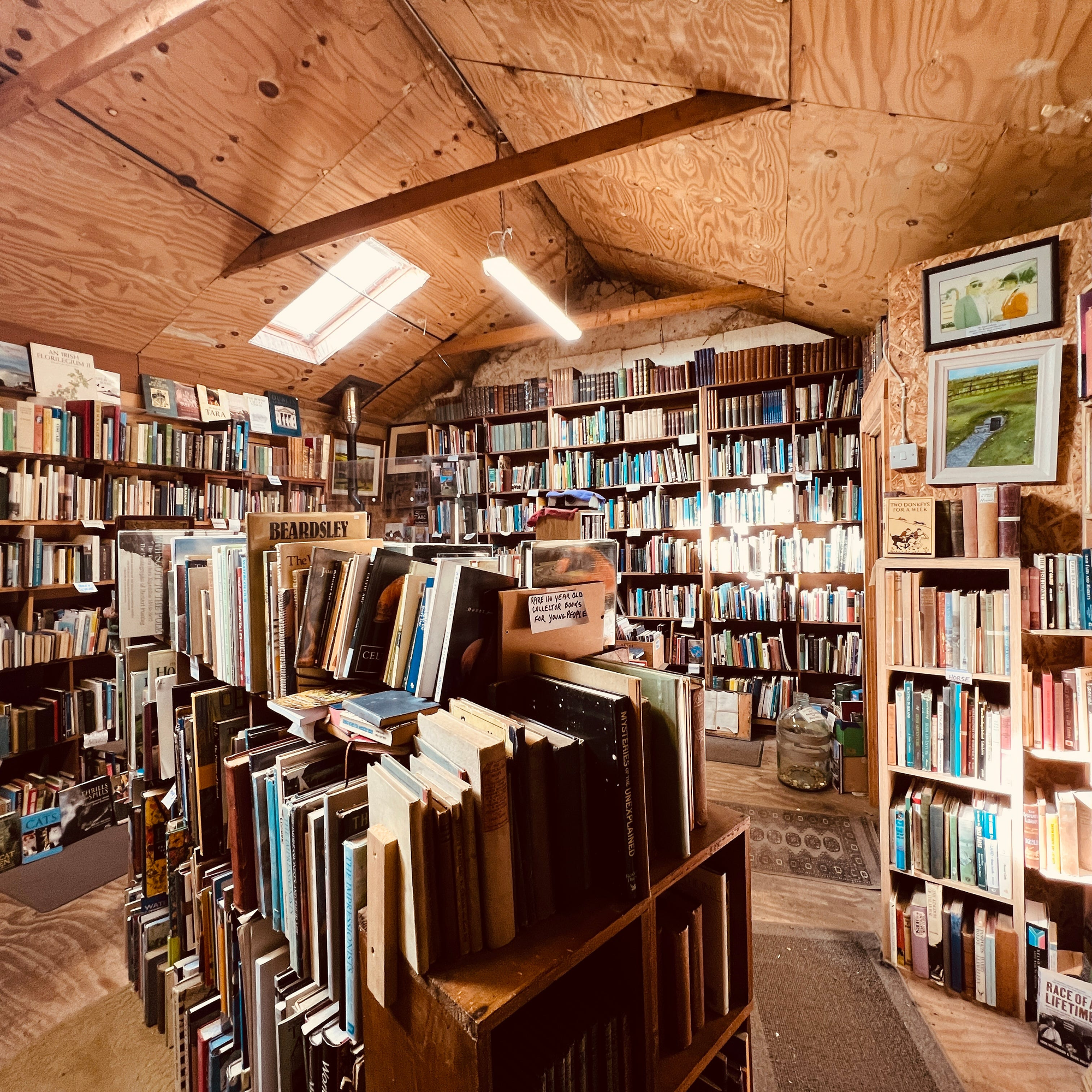
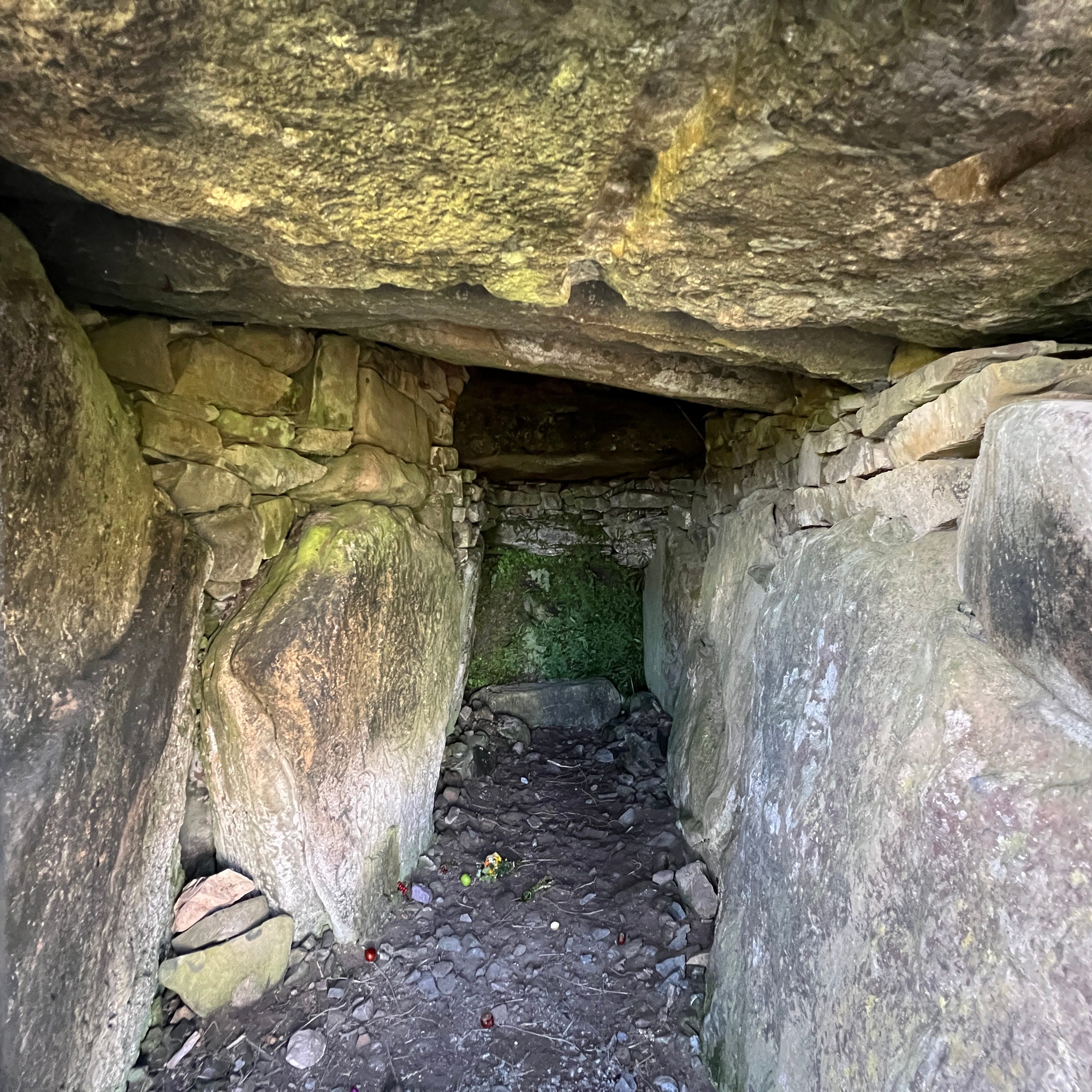
The mound is gated now, to preserve it, but I reached inside with my camera and took a lucky shot around the corner. It revealed spiral carvings caught in the low light. Ireland’s myths felt very close that day, as though breathing just under the grass.
Dublin: books, coffins, and a dram before bed
We stayed in Dublin for two nights at 1 Harcourt Terrace, Ireland’s only remaining Regency terrace. It was full of period furnishings and character, with a bottle of Bushmills waiting for us next to the chessboard. Harry and I played a game and shared a quiet dram before turning in. Cakes appeared in the hallway each morning, the old typewriter on the sideboard felt like an invitation, and artwork filled available wall space. I would happily recommend it and will hopefully stay again.

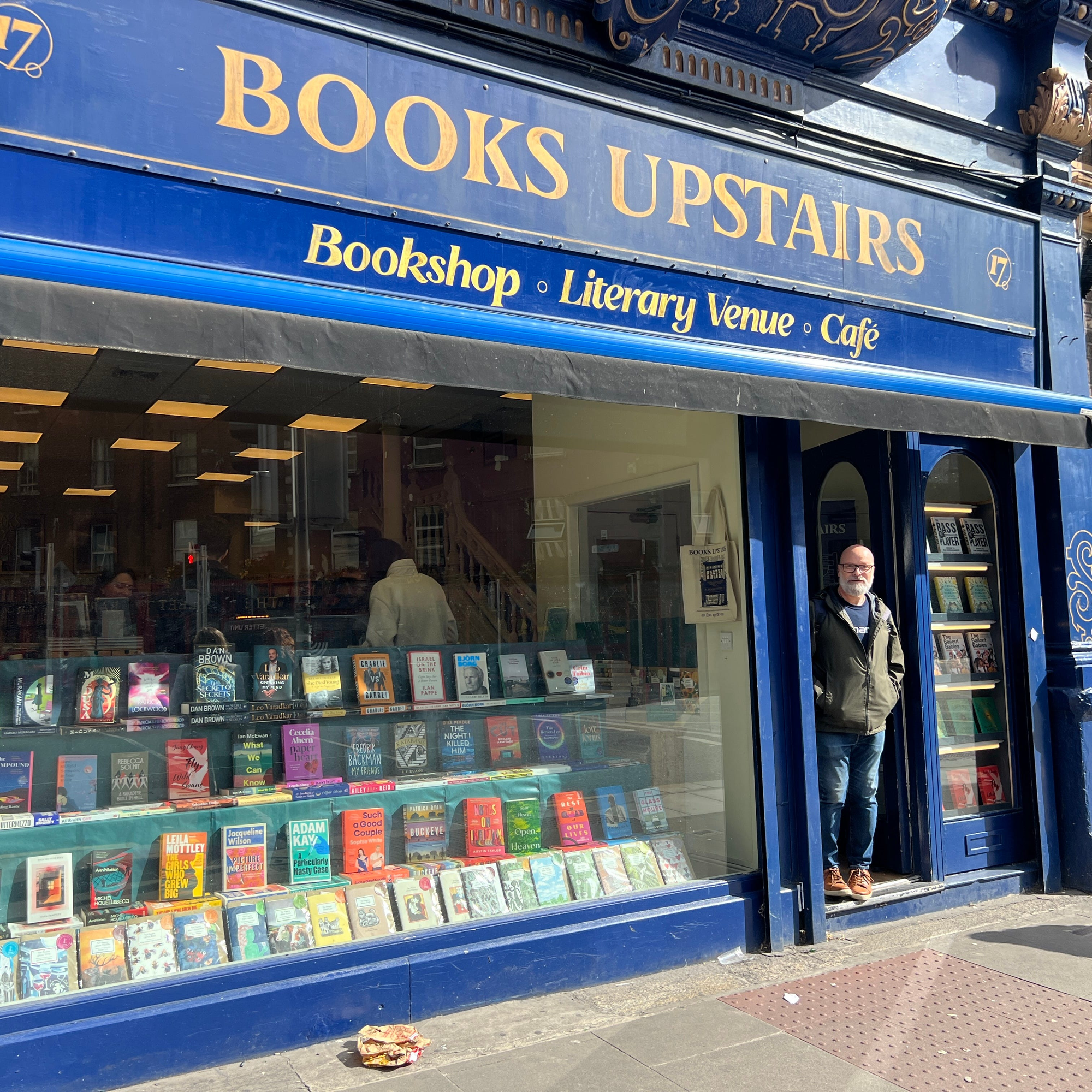
We visited Books Upstairs, Dublin’s oldest independent bookshop, and they placed Salt & Seeds in their Young Adult Fiction section. A small moment, but a meaningful one for me. My book in a bookshop in Dublin, now that’s an event I wish my mother had been alive to see. My family have a long relationship with Dublin, as my great-grandfather worked at Dublin’s Guinness factory and at Powers Whiskey. My grandfather was left in a Dublin orphanage until he was old enough to join the army.
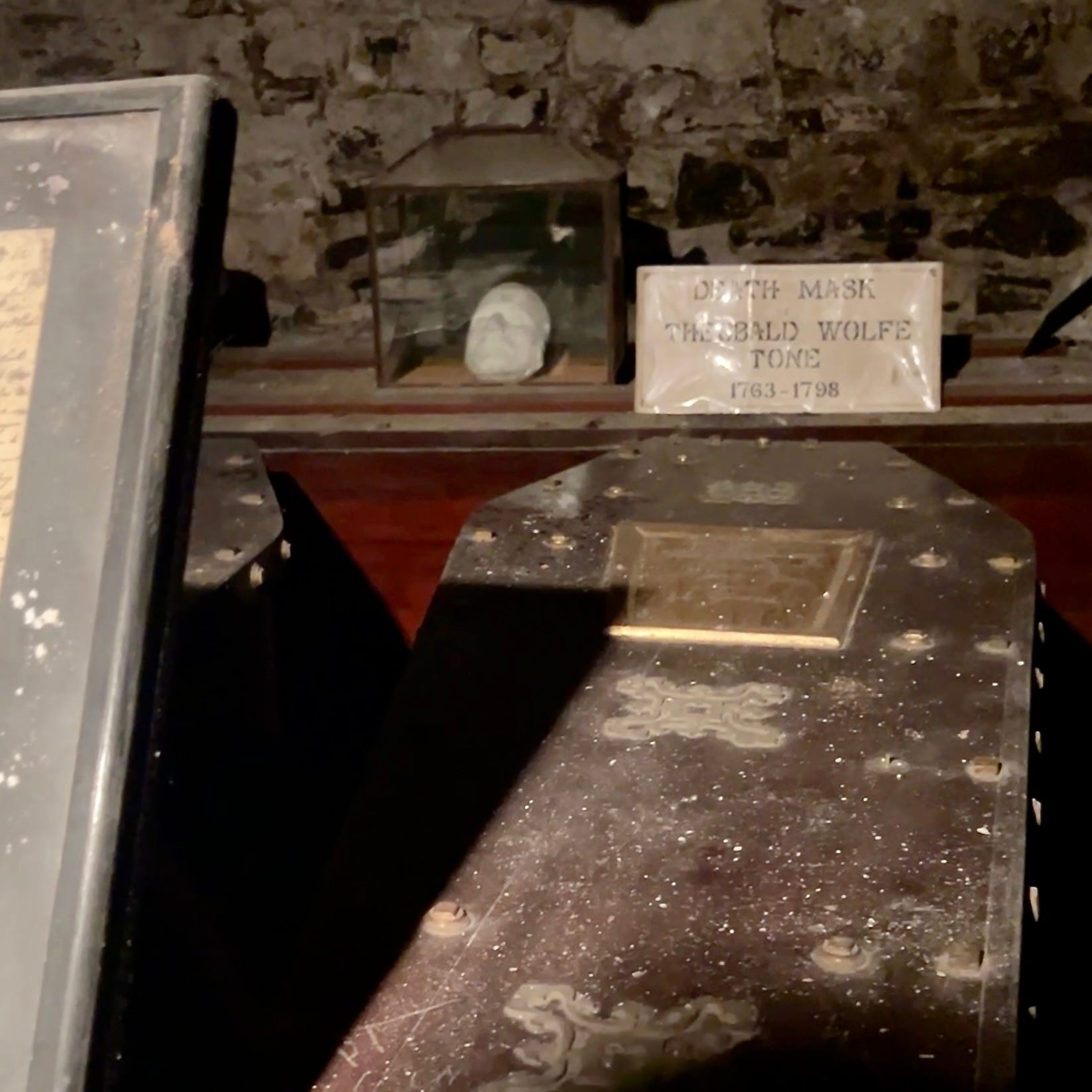
I also went somewhere I’d somehow never visited: the church where Bram Stoker’s family is buried, Saint Michan’s. Down in the crypt, among coffins and scattered bones, the air is dry and mineral-rich. Some of the remains have naturally mummified. The death mask of Wolfe Tone sits there too. The guide spoke about the place with reverence. When he said he’d always wanted to visit Whitby, I smiled and told him to definitely go. Every storyteller should see Whitby at least once.
West to the Burren: more art, big stones, and a small crisis
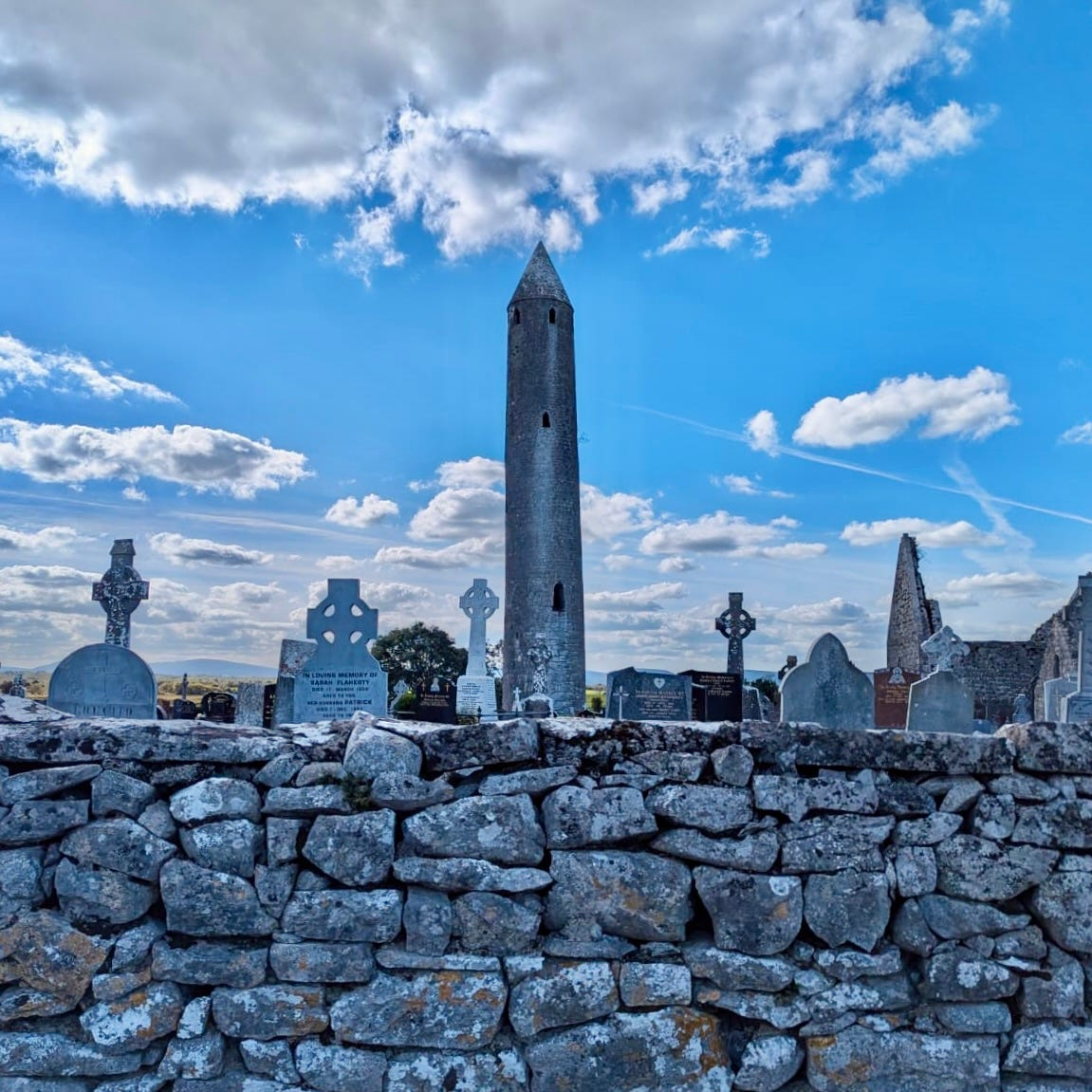
Leaving Dublin, we crossed west towards the Burren. We stopped on the way at the Kilmacduagh round tower, a 7th-century monastic site near Gort, County Galway. The tower leans worryingly, over half a meter from vertical. It’s a very impressive structure. The only thing missing was Rapunzel.
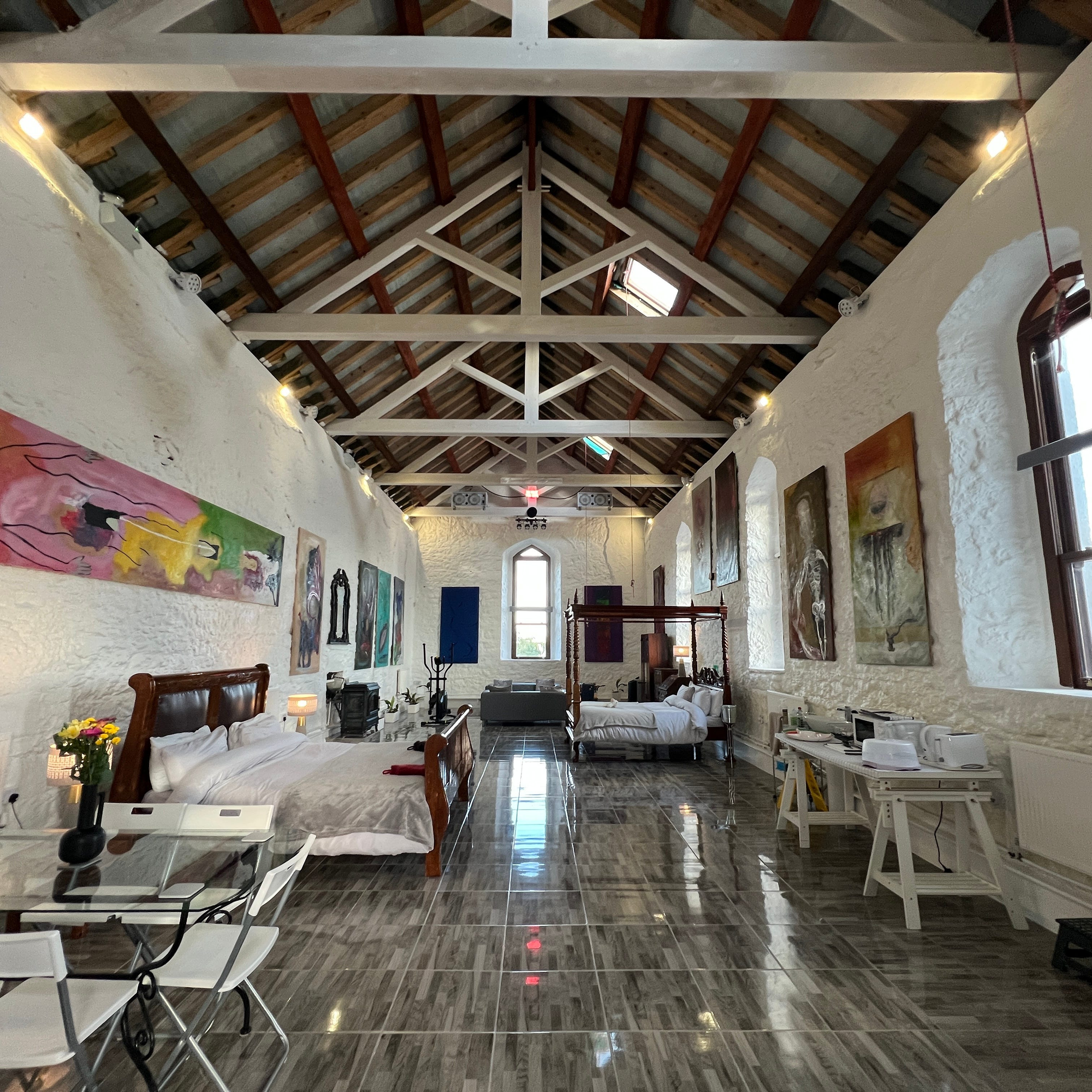
As we got closer to the Burren, the landscape changed from rolling hills of green to limestone. We stayed in the Burren Art Gallery, a beautiful old church restored by Andrew, an artist originally from Whitby. His paintings covered the walls. The space shifts easily between gallery, accommodation, and music venue.
Five miles before reaching the gallery, my car coughed, spluttered, and nearly gave up entirely. I limped it through the final country lanes, rolling into the drive with more luck than engineering. Andrew was kind and supportive throughout our stay. My sister Julie, who lives nearby in Spancil Hill, sent a friend to look at it. We discovered an oil leak, nothing fatal. Andrew kindly sold me enough oil from his own garage to get us moving again.
Ennis and Spancil Hill: family, Irish music, and the last bookshop
My sister Julie spent the next few days with us. We played music and chatted, in English with a smattering of Gaeilge, though my Irish is nothing like as fluent as hers. Tá cúpla focal agam (I have a few words).
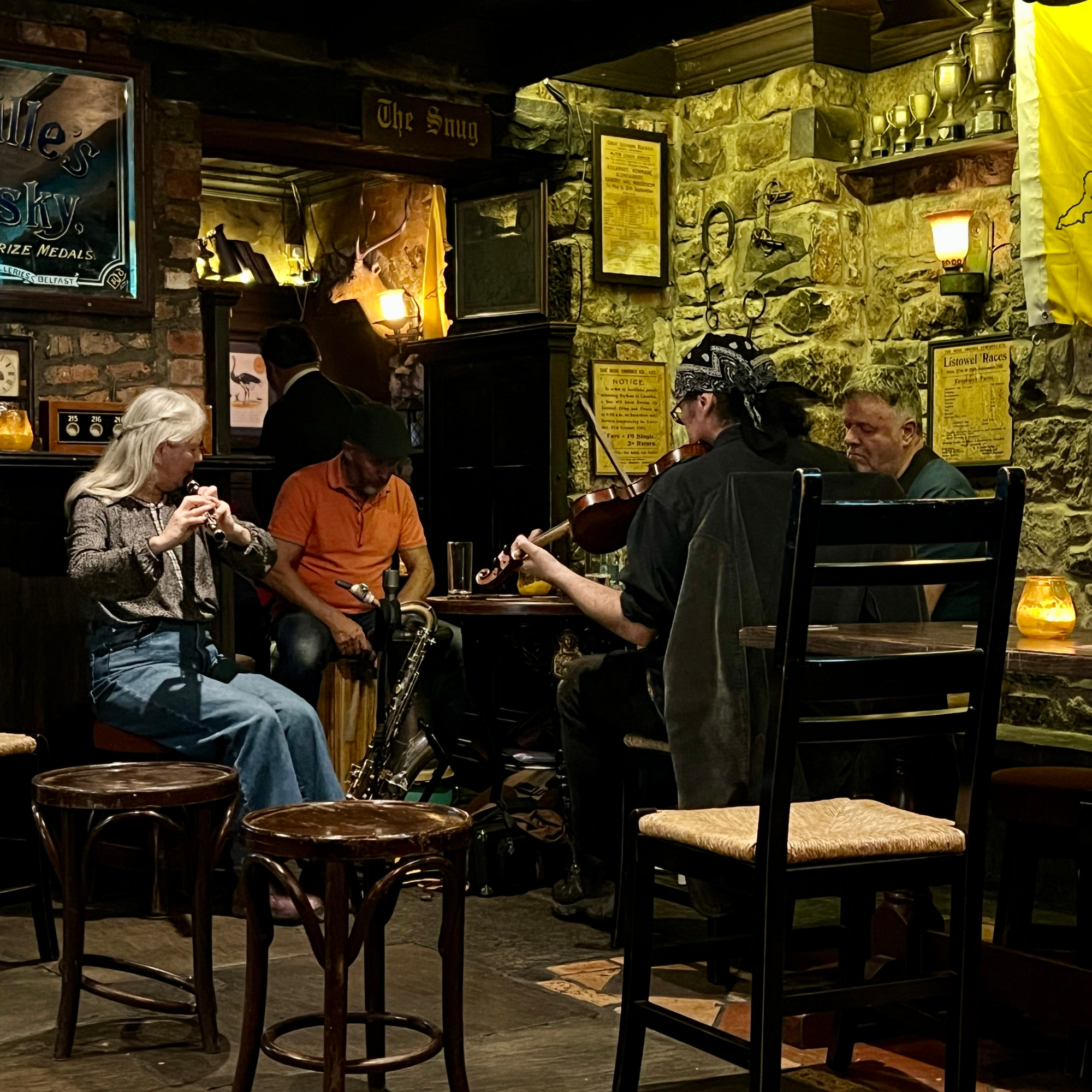
She showed me the best places for vegan food, the pubs where the real music sessions happen, and the corners of Ennis that only locals know.
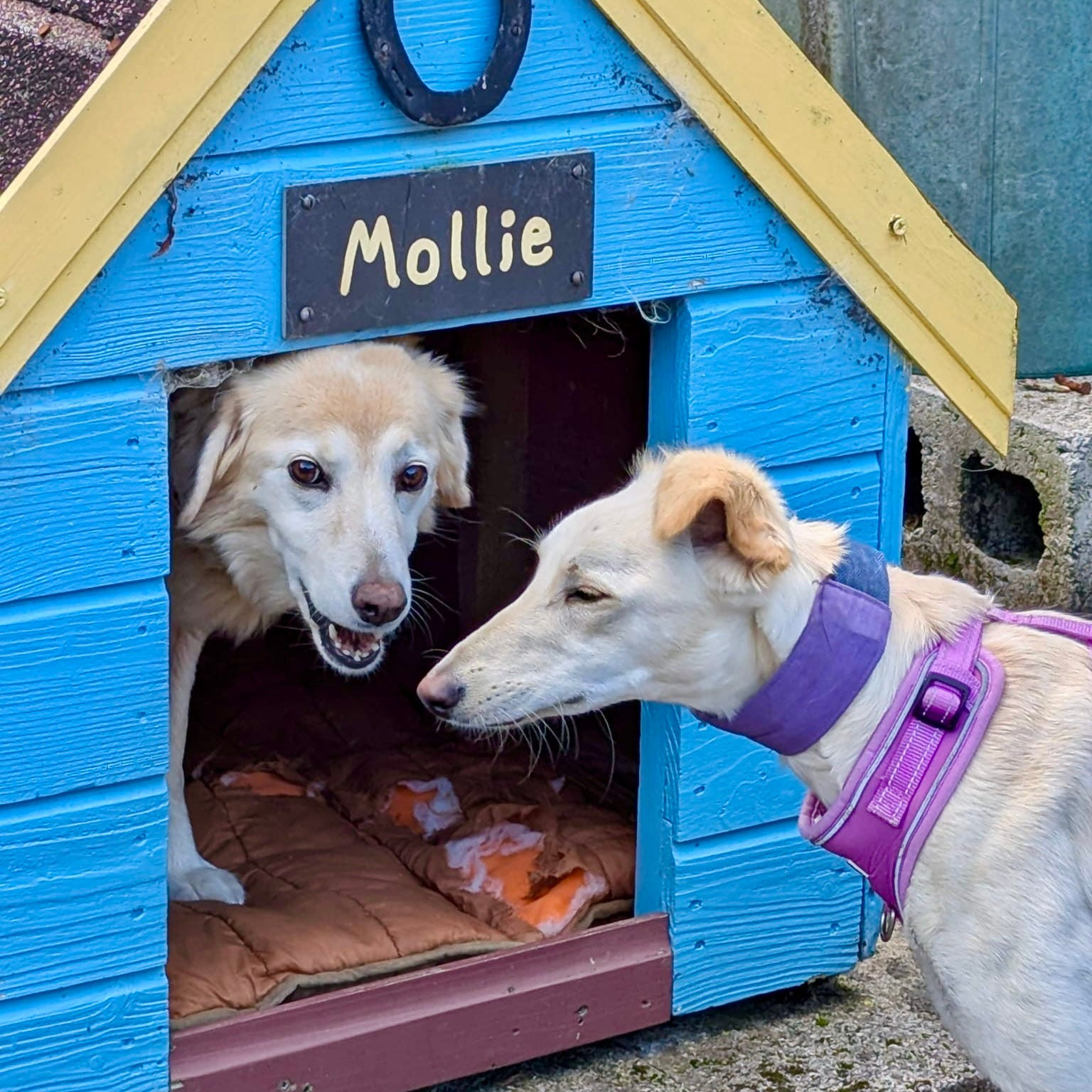
We visited her old stone cottage, where she and her husband, David, live with their lovely dogs, Mollie and Lulu. Their stove warmed the whole room. Julie and David have renovated the place over many years. Their garden provides most of their food, and the solar panels keep the house going. It’s the sort of self-sufficient place I want to retire to one day. Both are exceptional Irish musicians. Julie and I played in our family ceilidh band growing up, and her playing still moves me. David plays all kinds of music, including performing with Latin Fellas & Co., a lively group well-known across Clare. They are brilliant musicians and even better company; they never fail to get everyone dancing.
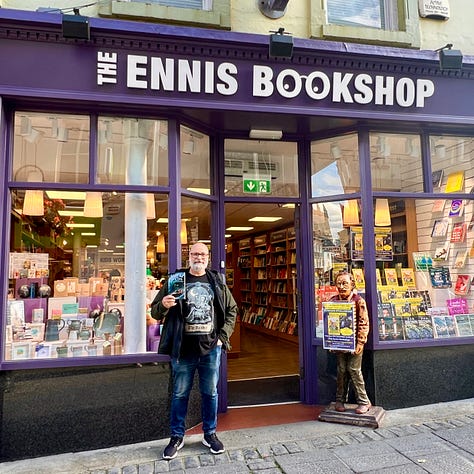
The last bookshop of the entire Euro Book Trek was The Ennis Bookshop, Julie’s local independent. She is in the acknowledgements of Salt & Seeds for her excellent proofreading, so ending here felt right. The staff placed the book in their Young Adult Fiction section. The bookshop also has copies of Eddie Lenihan’s wonderful books. Eddie is a family friend from the same place as my mother, but now lives near Julie. He is a legendary storyteller and brought his magic into our Yorkshire home whenever he stayed at ours for UK festivals. He has been a big influence on my writing over the years, so it’s a real honour to have my book in the same place as his.
Time to say goodbye
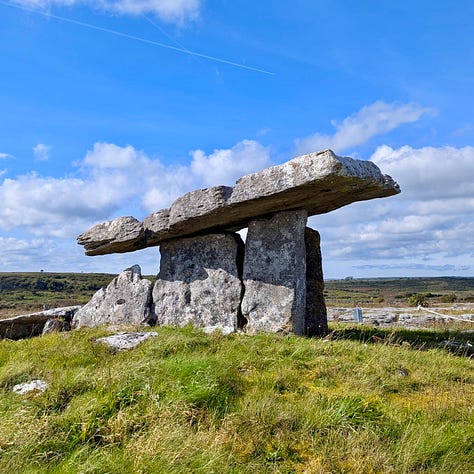
We eventually had to say our goodbyes to family and friends and head off. First, we went deeper into the Burren to visit Poulnabrone dolmen, a single-chamber portal tomb. It dates to the early Neolithic period, with estimates from 3800 and 3200 BC. It’s one of over 170 dolmens in Ireland. We then did a quick salute to the West Coast and headed back to the East and Dublin Ferry port. We had another smooth crossing back to Wales, and I drove on home to East Yorkshire. From the west coast of Ireland to the east coast of England in one day’s drive. It’s a drive that I’ve done a few times before and will no doubt be doing again soon.
Final Thoughts
Eleven countries, over 5000 miles, and six weeks on the road. From Spanish mountains to Venetian canals, from French hospital staff to Berlin police, from a Monaco casino to the quiet of an old stone Burren church. Dozens of bookshops, libraries, book swaps, festivals, ferries, forests and border crossings. I met kind people everywhere. I left books in places I never imagined I’d reach. I passed through landscapes that changed how I think about scale, communities that have learned resilience, and I felt what it means to make something of my own and offer it to the world by hand rather than from a distance.
What struck me, again and again, was how often the same qualities appeared wherever I travelled: curiosity, generosity, and a willingness to welcome a stranger. It happened in bookshops, in pubs, on trams, in boats, in kitchens and at counters, and in places where we had no shared history at all. Those small encounters shaped the journey as much as the miles themselves.
Finishing in Ireland brought its own perspective. I was raised between two lands, one foot in Yorkshire’s grit and humour, the other in Ireland’s stories, songs and old ways of seeing. Returning with a book of my own made me realise how much of my writing has always lived in that space between. The practical and the mythical, the grounded and the magical, the community hall in Hull and the Hill of Tara. This Trek let me stand in both worlds at once and finally see the shape of it.
The journey also helped me understand my writing a little better. Stories don’t travel alone. They move through hands, conversations and shared spaces. They need communities that allow them to grow. Carrying Salt & Seeds across Europe made that real in a way I hadn’t expected.
None of this would have been possible without the support of my publisher, Grokkist Press, who championed the idea from the beginning. For that, I’m deeply grateful.
So the driving is finished for now. It’s time to write the next book, fix my poor car, run workshops and return to my own community for a while. But the next trip is already forming somewhere on the horizon, and the conversations about resilience, creativity and place are continuing online with readers everywhere.
And although the Euro Book Trek has reached its last stop, our journey hasn’t. I’ll keep posting here and on Substack about writing, storytelling, the next book, the creative process, and whatever grows from all of this. So it only remains to say thank you for travelling with me.
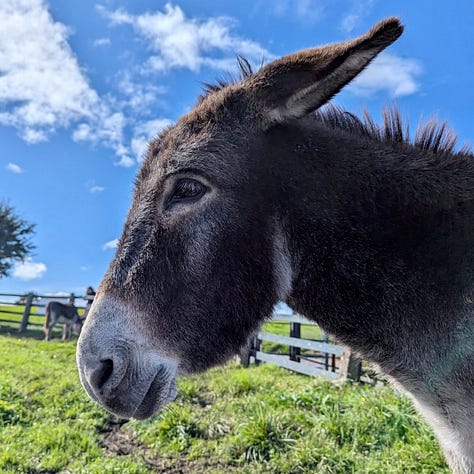
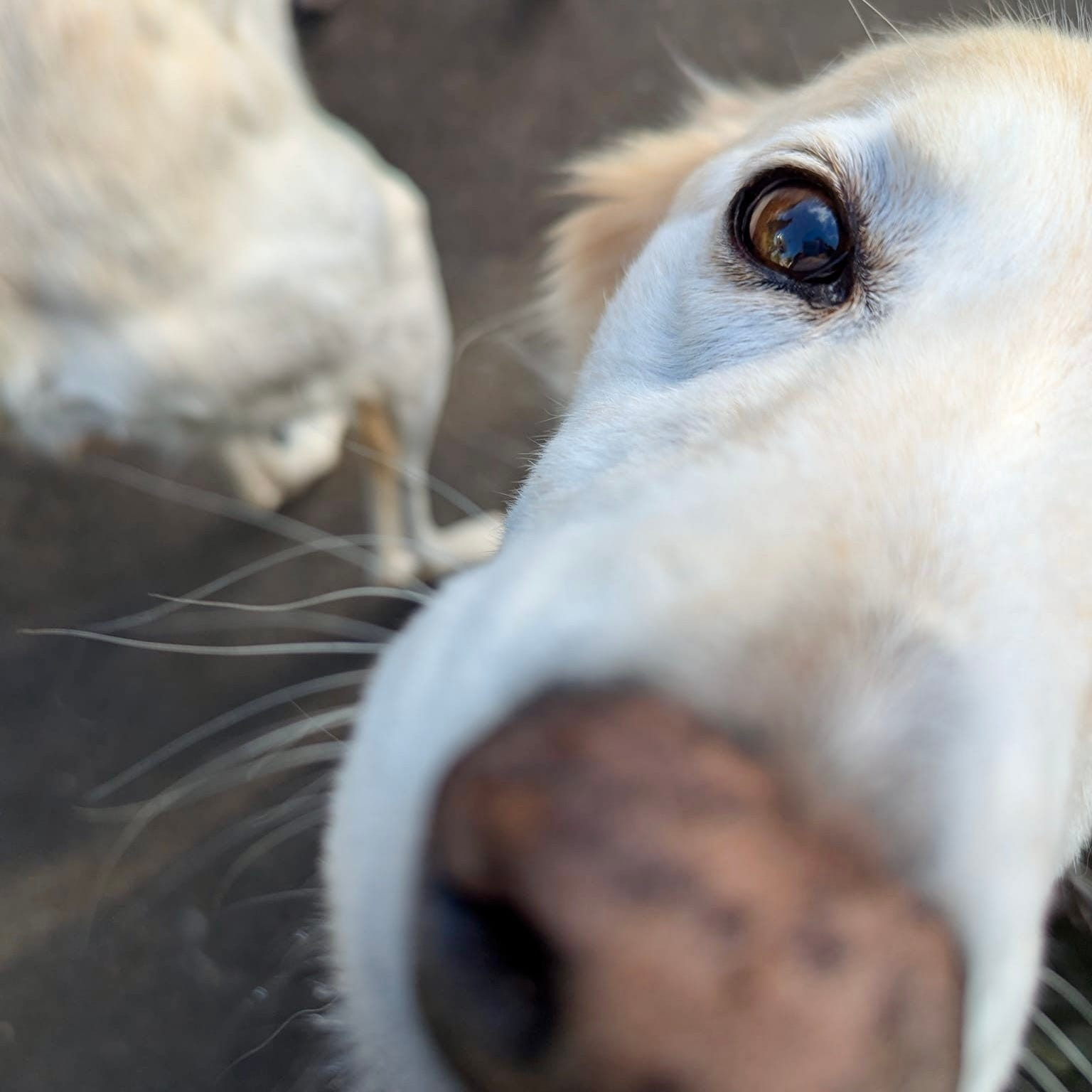
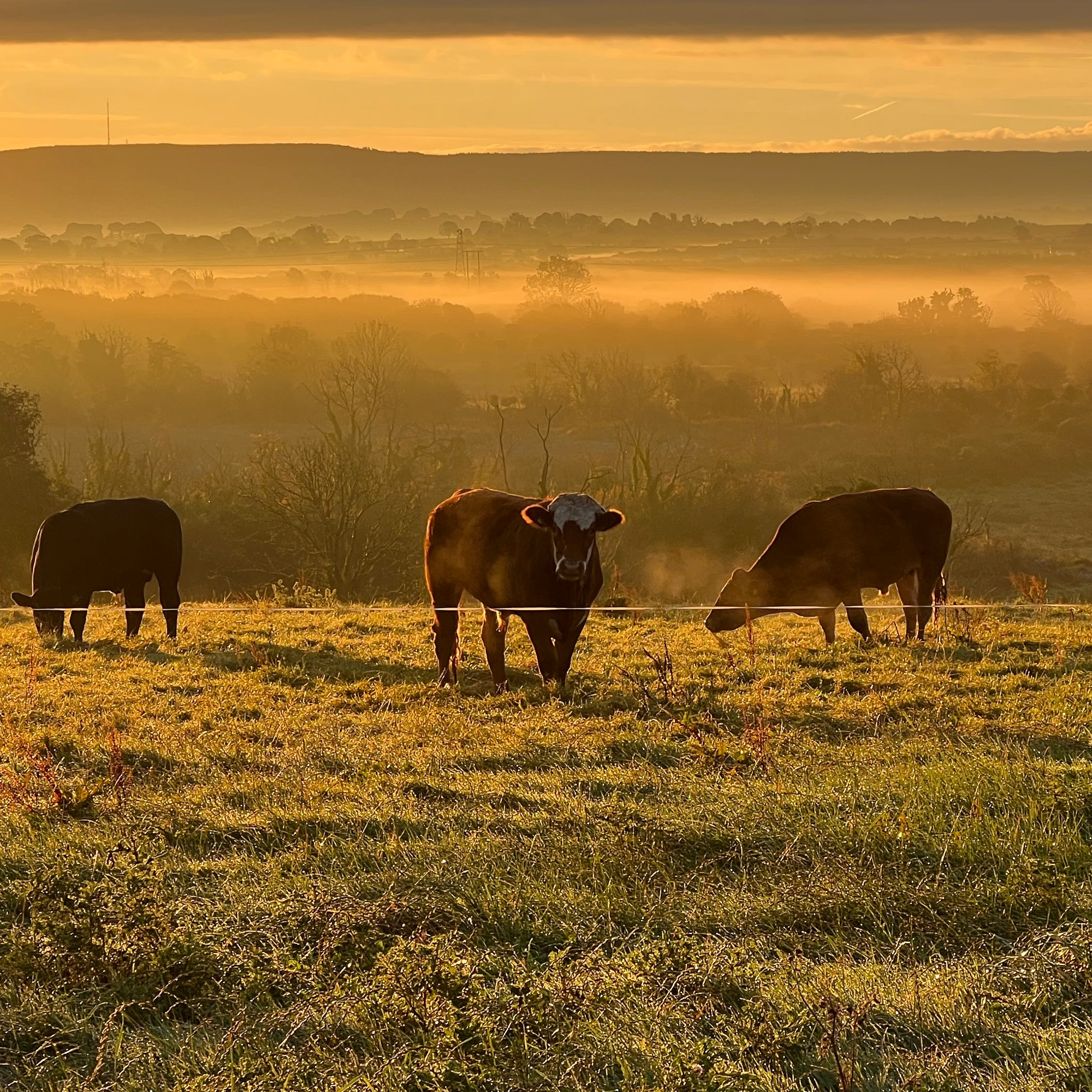
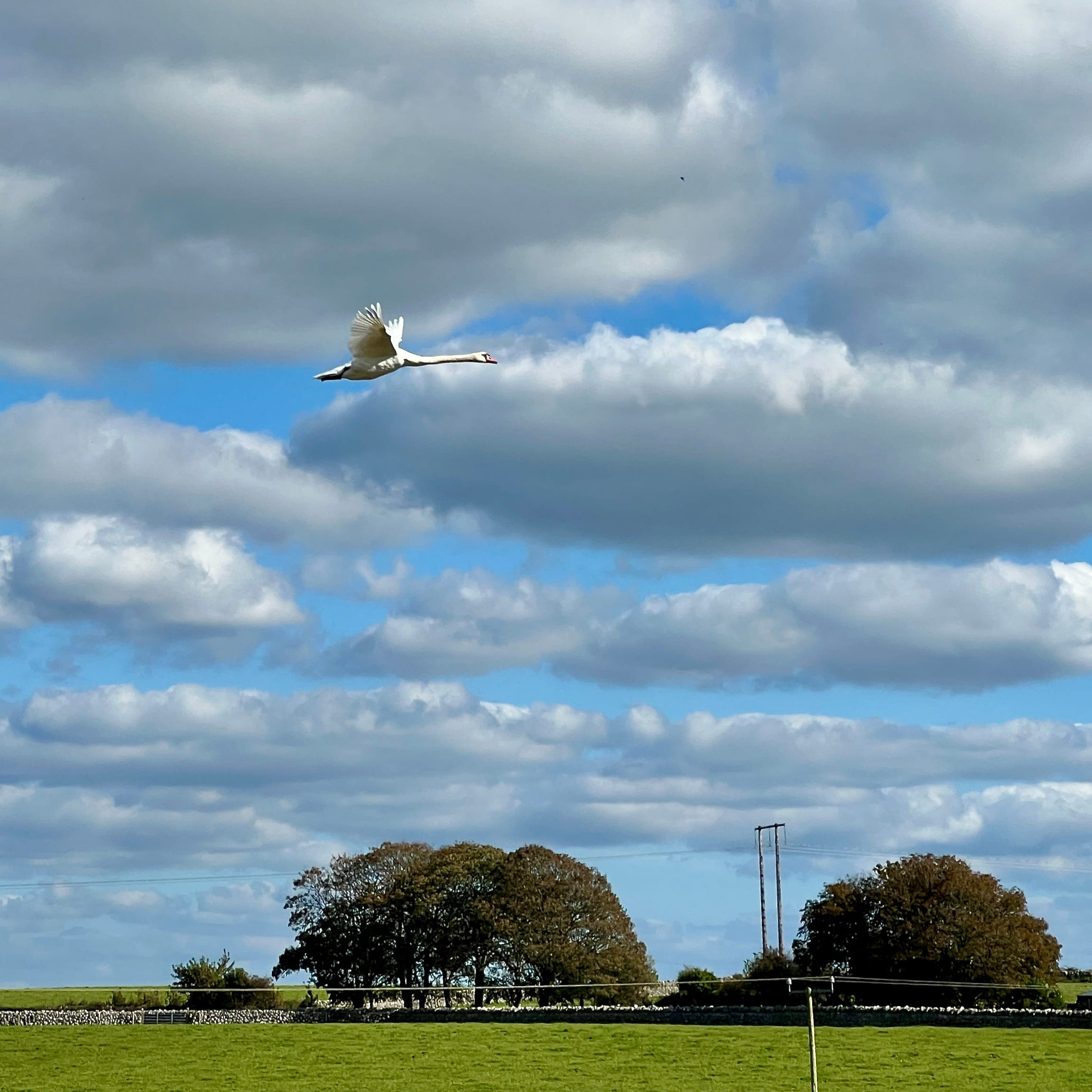
Oh, and as always, I’ll finish by sharing a few nonhuman friends I met along this final leg:


Member discussion