





Unforgetting becoming legible to yourself
Thresholds and their guardians
Three kinds of crossing, the figures who meet you at the door, and why your thresholds are where a red thread first shows itself.


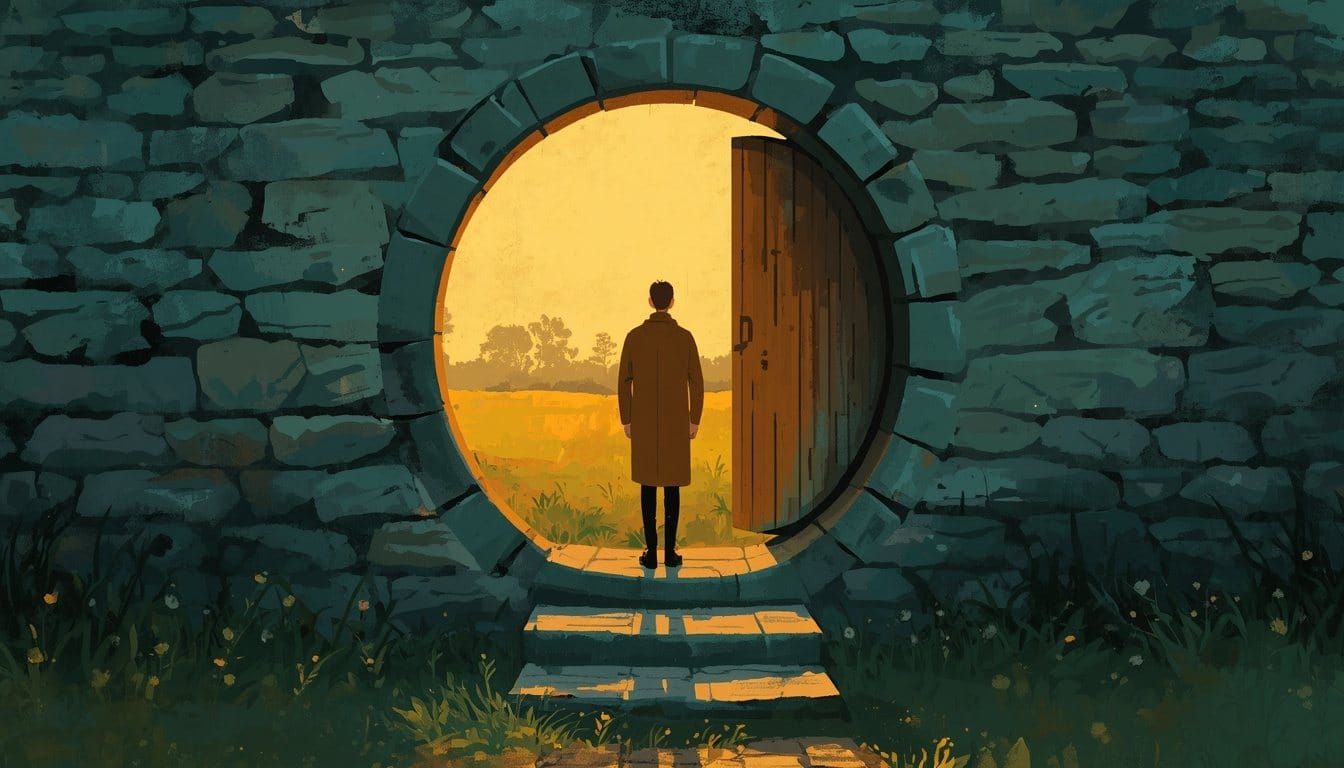
“People are going back and forth across the doorsill where the two worlds touch. The door is round and open. Don't go back to sleep.” — Rumi
There's a moment just before everything changes.
You can't always see it from the inside, but you can feel it. A crackle under the skin. A tightening of time.
Sometimes it's quiet: a conversation that lands too deeply, a thought you can't unthink. Sometimes it's loud: a move, a relationship ending, a job you no longer recognise.
These are threshold moments. Most of us are standing near one, or crossed one recently without quite noticing.
The strip of wood at the door
The word threshold comes from the Old English threscwald, the strip of wood or stone at the bottom of a doorway. It's the part you step over. It's also related to thresh: to beat grain until the seed comes away from the husk.
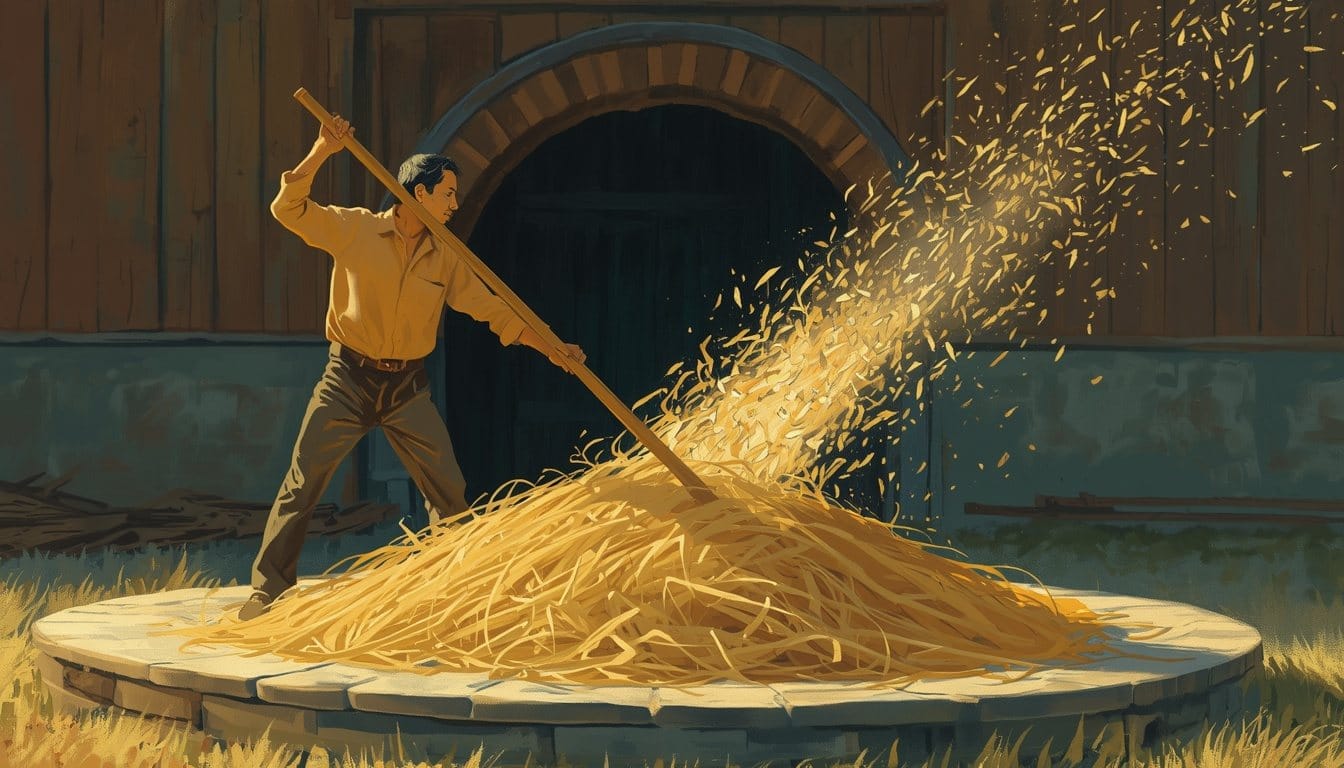
So a threshold is a crossing, and it's also a place where something gets shaken loose. What was there all along comes out into the light. That's why thresholds matter for unforgetting. They're where the hidden parts of a life show themselves.
In stories, thresholds are one-way doors. Alice falls down the rabbit hole and the rules no longer apply. In life they're blurrier. We approach them gradually, then suddenly.
You can often tell when someone is near one. They give off a particular energy. The narrative coach David Drake calls it an urgent calm: urgent because a big move is coming and you're poised for it, calm because some part of you is already clear about what needs to happen.
Carl Jung had words carved over the door of his house: Called or not, the gods will be present. Thresholds are places of power. Even standing near one, looking at it honestly, takes something out of you.
See the words over the door.
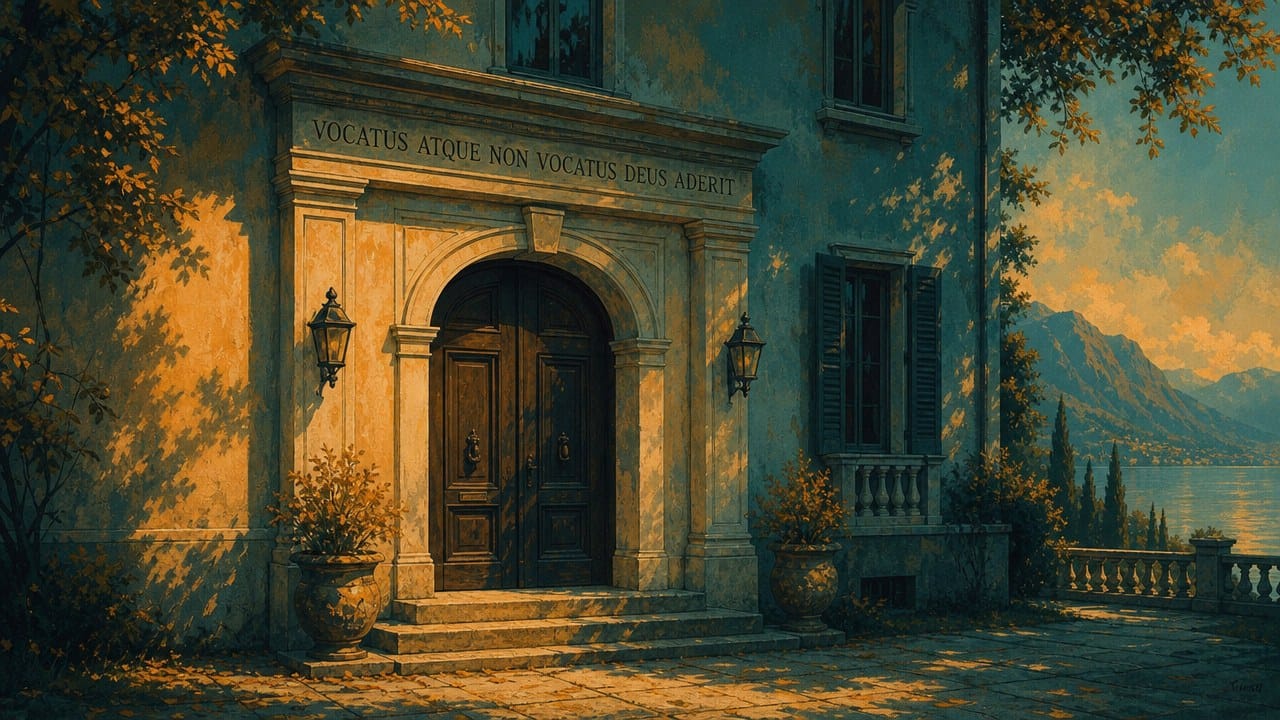
Three kinds of crossing
Looking back over my own life, the thresholds come in roughly three kinds.
Retrospective. In my final year of high school, I didn't really decide to drop out. I noticed I'd decided. I was on the bus on the way to school, and I just didn't get off. Two or three stops later it dawned on me: I'm never going back there.
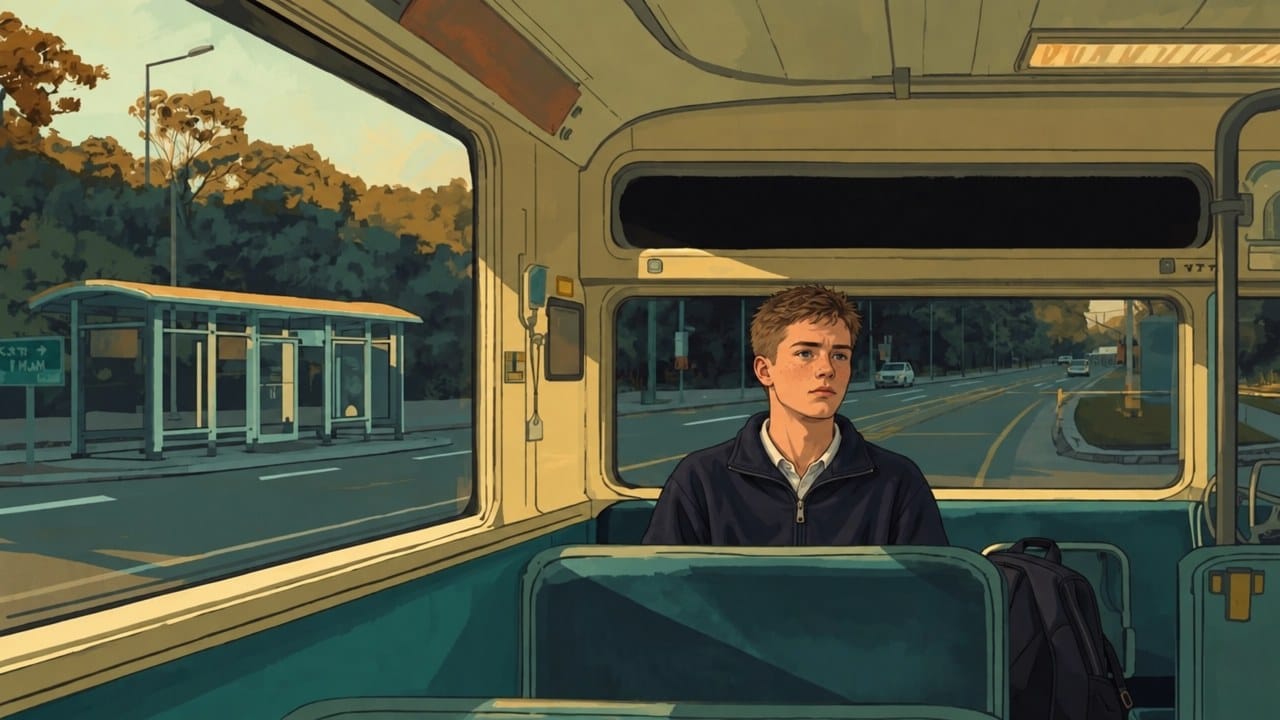
You only see these ones in the rear-view mirror. Nothing announced it at the time. Later you trace everything back to it. That was it. That's when it changed.
Intentional. Some years later I was interning in Singapore, planning to stay and build a life there, when a teaching job came up back at the Melbourne university I'd been glad to escape. I knew what I was giving up. I took it anyway, because it was exactly the work I wanted. With an intentional threshold, you see it coming. You weigh it, you feel the fear, and you choose.
Imposed. In early 2020 I was living in New Zealand, about to move back to Melbourne for a new job. I'd ended my lease and packed up everything. Then, on the 19th of March, as the COVID-19 pandemic took hold, the borders closed. I did the job from Auckland, and by the time travel opened up again I'd found out something I hadn't expected: I was happier here than I'd let myself notice. New Zealand had become home. Nobody asked me.
Imposed thresholds drag you across: a rupture, a diagnosis, a layoff, a door that shuts. They sting. They also clarify. They show you what you care about, and what you're done putting up with.
Real crossings often blend the kinds. Something happens to you, and then you decide to embrace it. The three kinds are lenses for looking.
The guardians at the gate
Every meaningful threshold has its guardians. Joseph Campbell called them threshold guardians: the figures who stand at the doorway in myth and story. Cerberus at the gate of the underworld. The Sphinx with her riddle. The old mentor in exile.
A guardian can be a friend or a foe. Either way, the job is the same. They test whether you're ready and make sure you see what's at stake. They guard the threshold, and they guard the people passing through it.
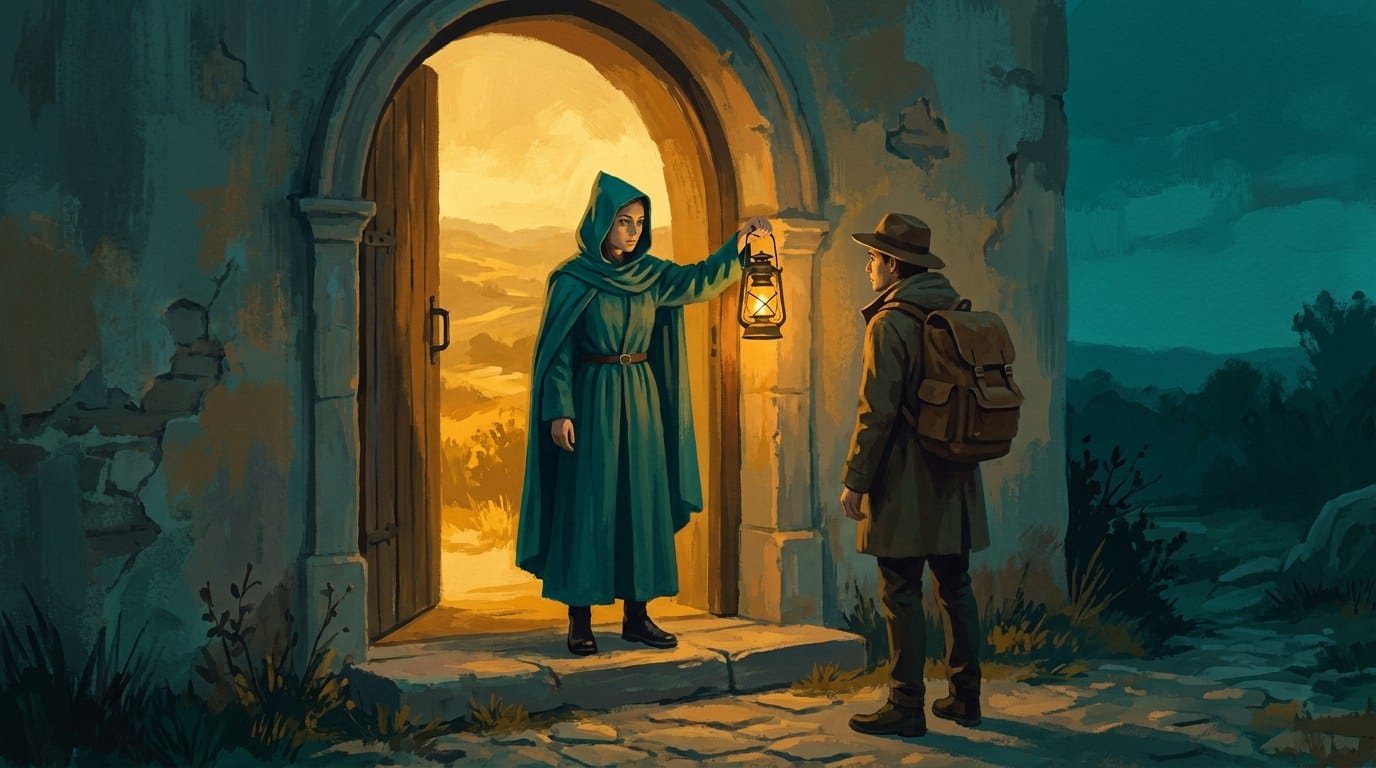
Some are friends. On my first day at university, a lecturer announced that too many academics walk around in fear that one day there'll be an outbreak of clarity. I emailed him after class. Over many coffees he gave me hundreds of book recommendations, helped me find a research job, and took me seriously. He got me across the threshold of finishing a degree I very nearly walked away from.
Some are foes. The boss who makes a job so miserable that you finally leave. In hindsight, some of these people saved you years of trying to succeed in the wrong place. You don't have to thank them. You can still notice what they showed you.
Some are strangers. Someone on a plane sees the book you're reading and says: if you like that, you'll love this other writer. One sentence, and a whole new direction opens. These guardians simply point. Look over there.
And some live inside you. The doubt that won't settle. The desire that won't fade. A deep knowing, dressed up as ambivalence, waiting for you to stop pretending you don't know what you know.
Why look back at all
Many of our lives read like a series of episodes. Thresholds are the joins between them. Look at what was on either side of each door, and patterns start to appear.
Threshold moments show you the themes that connect the episodes of your life. That's where a red thread first shows itself.
There's one more thing worth noticing. Sometimes, without knowing it, you've been the threshold guardian for someone else. A question you asked them. A comment you've long since forgotten. A moment when you simply saw someone as they were, and a door swung open for them.
Try this
Find one threshold of each kind in your own life. Take your time. They may not arrive in order.
- Retrospective: a moment you only recognised as a turning point afterwards.
- Intentional: a threshold you chose to step across, knowing roughly what it would cost.
- Imposed: one that happened to you, whether you liked it or not.
For each one, jot down:
- When did you see the doorway appear?
- What was on either side of it?
- Who or what was the guardian? A friend, a foe, a stranger, or a voice inside you?
- What name would you give this moment?
Then look across all three. What do they have in common? If one kind won't come to mind, that's worth knowing too. Maybe all your thresholds were chosen. Maybe none of them were.
Last, a quieter question: when have you been a threshold guardian for someone else? Did you know at the time?
For a printable version of the three kinds and four guardians, plus a worksheet for one threshold moment, there's a sheet to keep: Thresholds (PDF) ↗
Preparing a Red Thread Talk? Your thresholds are where the episodes join. Keep this page.
Alongside this piece
Try it for yourself
Two small things to do with what you've just read. Open either one.
1 Which kind of threshold?
Make the call on each crossing before the answer appears. Some of them blend.
2 Three doorways
Find one threshold of each kind in your own life. It saves in this browser as you type, so you can come back. They may not arrive in order. When you're ready, gather it into one page you can keep.
Retrospective
A moment you only recognised as a turning point afterwards.
Intentional
A threshold you chose to step across, knowing roughly what it would cost.
Imposed
One that happened to you, whether you liked it or not.
Looking across
If one kind wouldn't come, that's worth knowing too.
Nothing you write here leaves your browser.
Unforgetting · becoming legible to yourself

In good company
Replies from signed-in readers. They open in their own space, so you can sit with the piece first.
In good company
What came up for you?